
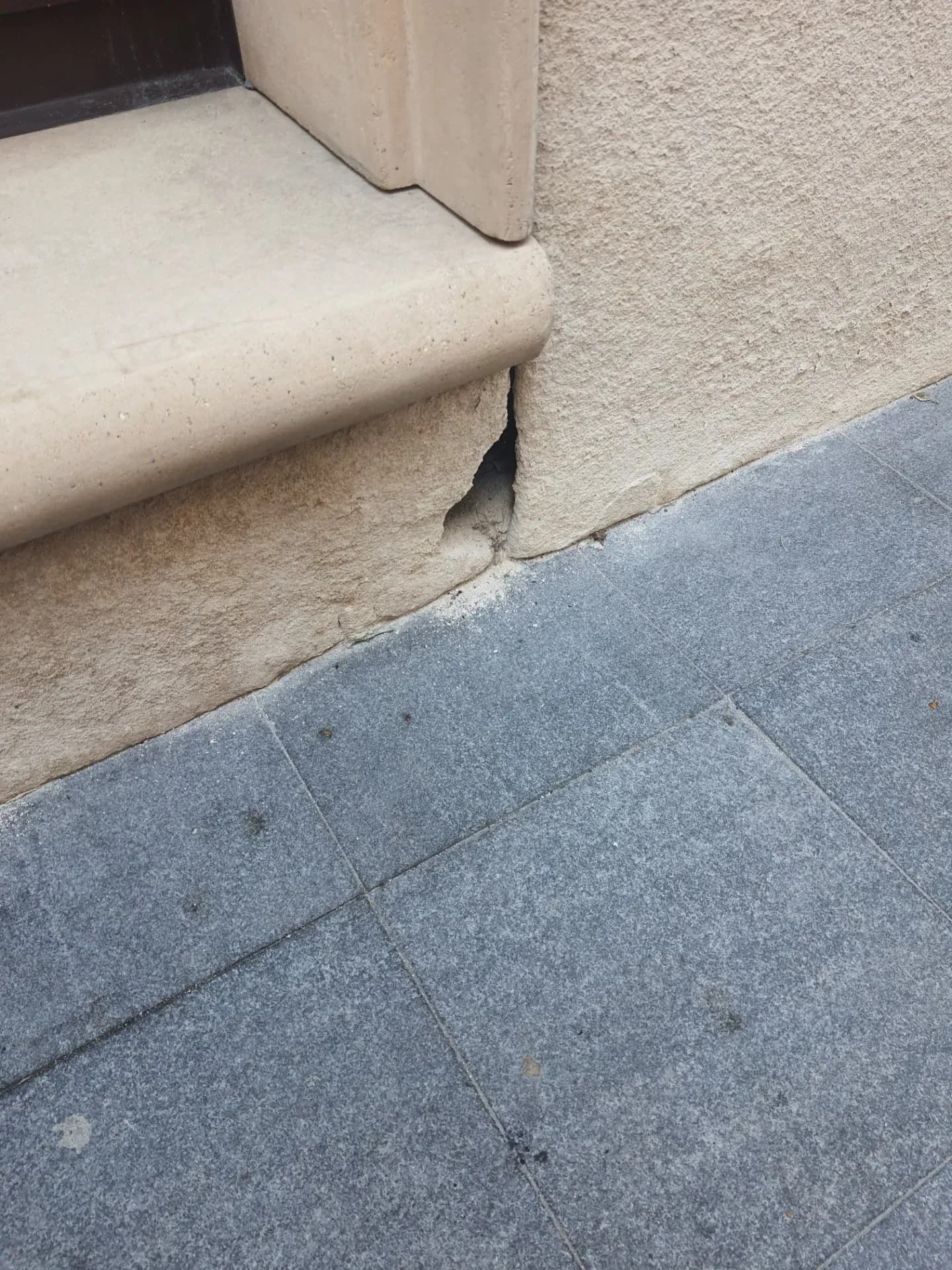
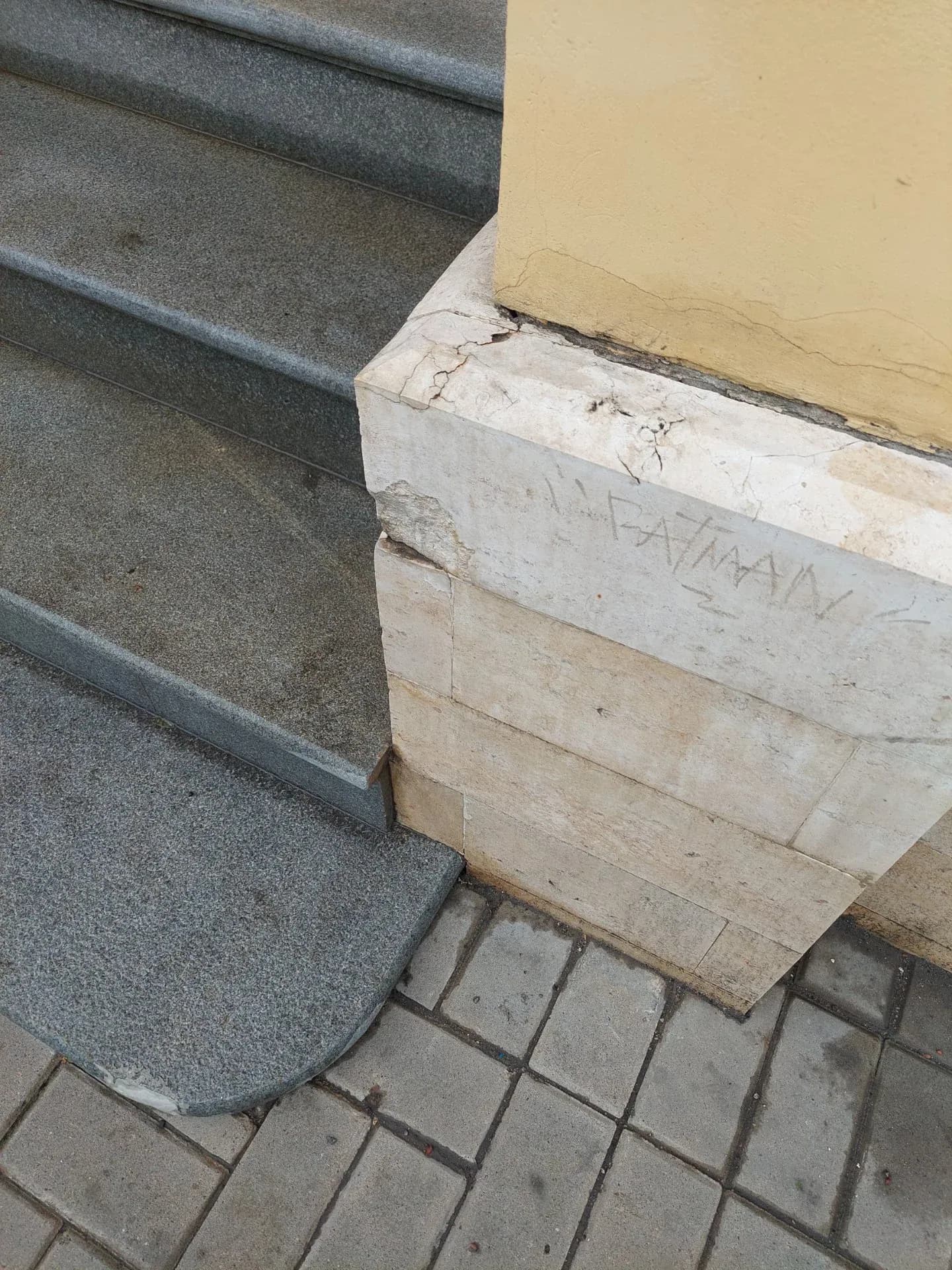
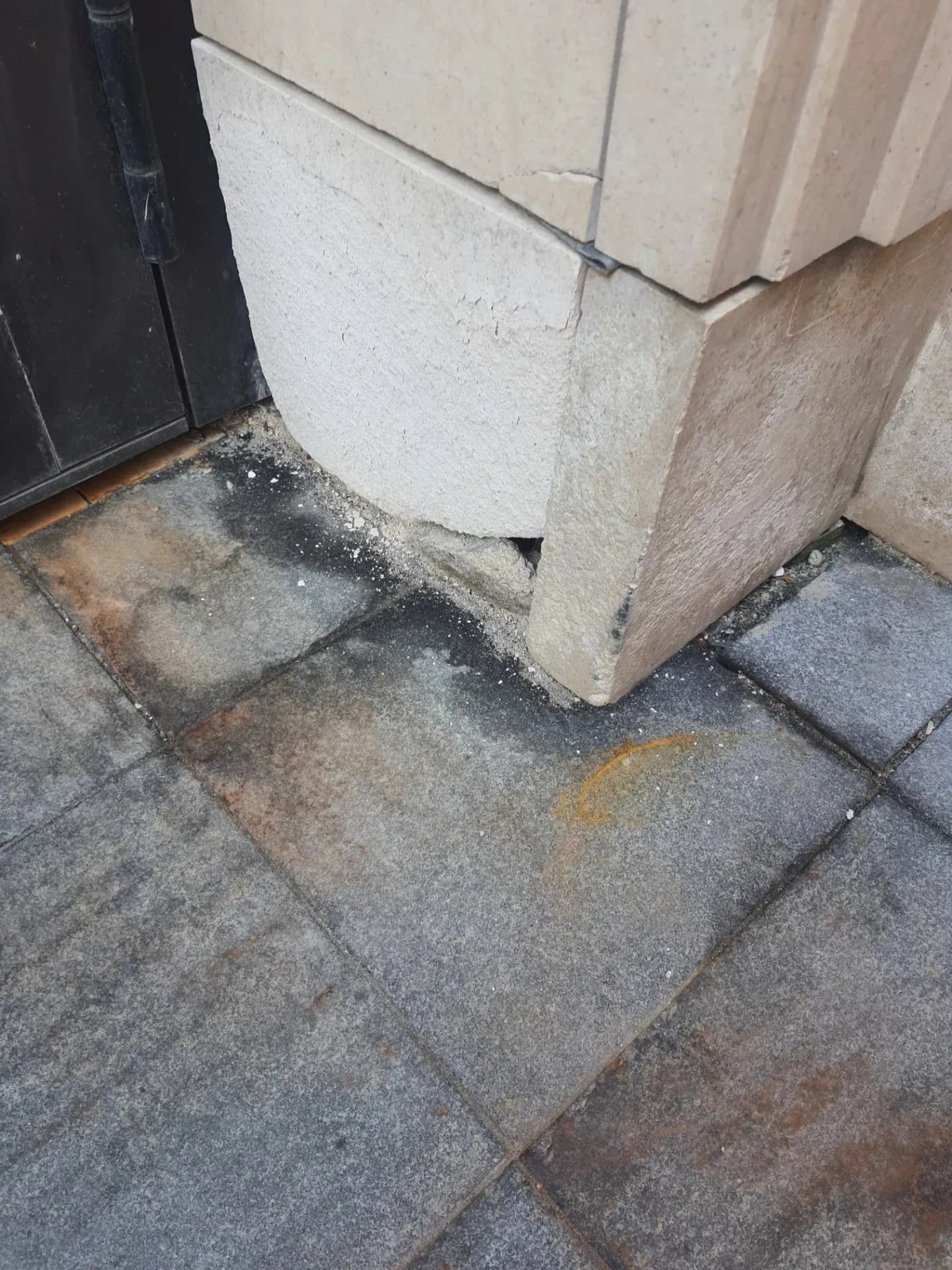
As can be seen in the photo, we are dealing with an almost completely destroyed base slab throughout its entire thickness. In principle, this topic has already been raised more than once in the stone industry and is not something extraordinary today. The use of limestones in climatic zones of temperate continental and maritime climates according to GOST 9480-2024 is conditioned by the fulfillment of certain requirements for the physical, technical and chemical properties of the stone. In order not to list all the interdependent values in general, we will focus on the frost resistance of stones as the main characteristic of durability, for example, of Jurassic limestone. According to clause 3.5 “Requirements for raw materials”, depending on the climatic zone of the building, the frost resistance requirements for subdistricts II B and above must have a frost resistance of at least F 150, for other subdistricts at least F 100. When using slabs without protective coating in contact with zones of possible capillary suction of ground/stagnant water, the water absorption of such slabs must be no higher than 0.17%. It should be noted that this is a fairly low indicator for sedimentary rock, including Jurassic limestone. Additionally, one should take into account the fact that anti-icing reagents are actively used here, the use of which begins in late autumn and ends in early spring. During these periods, the ambient temperature actively changes in the near-zero range, thereby starting the process of alternate freezing and thawing. This circumstance is aggravated by the additional content of salt solution from anti-icing reagents, which enters the capillary system of the building's base slabs. We have not conducted special studies for a scientific assessment of the durability of base slabs, but as practice shows, this segment of the facade is one of the first to suffer from destruction. Jurassic stone, of course, like all other marbleized limestones, is no exception.
 🔍
🔍 🔍
🔍 🔍
🔍 🔍
🔍 🔍
🔍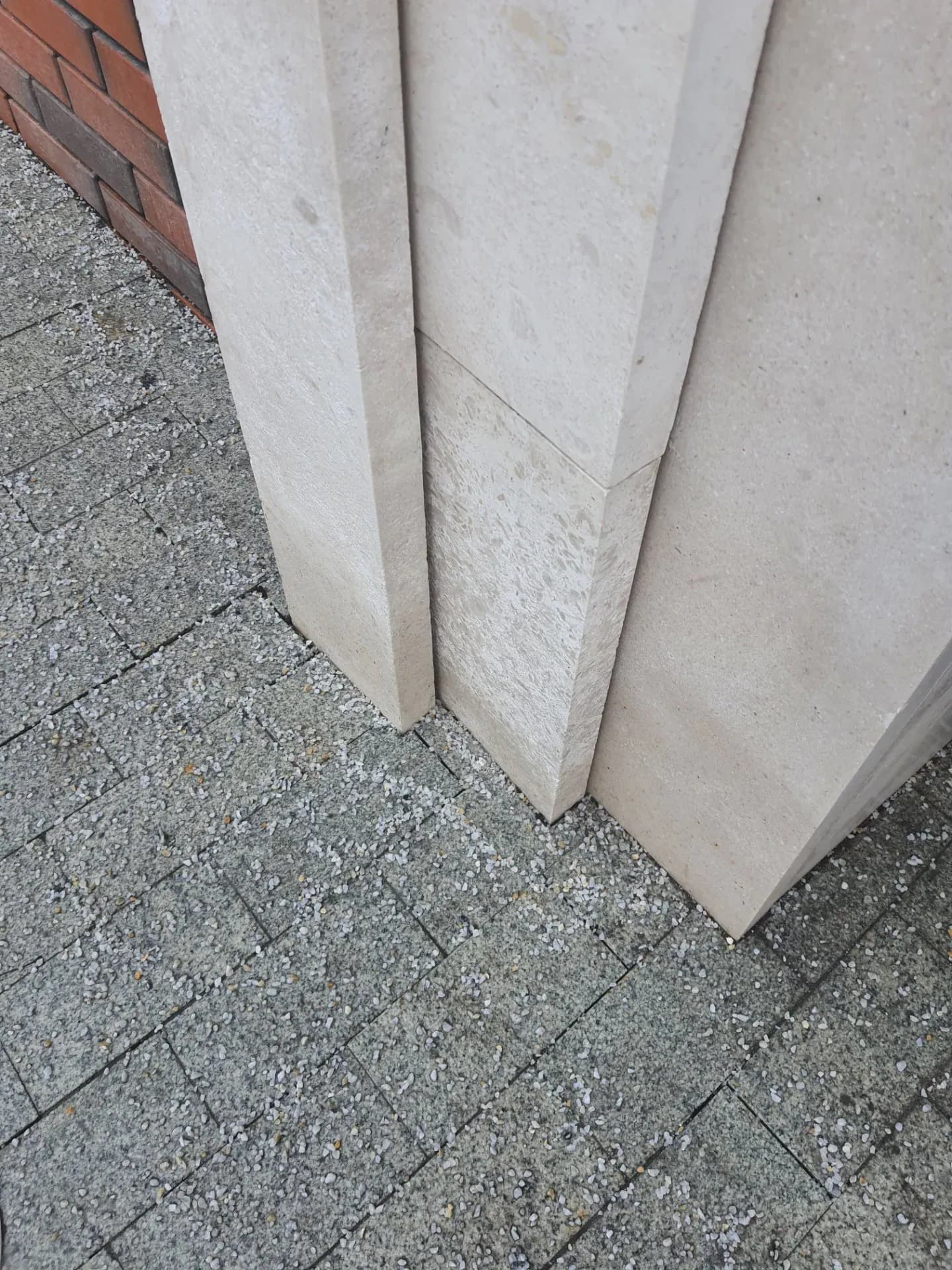 🔍
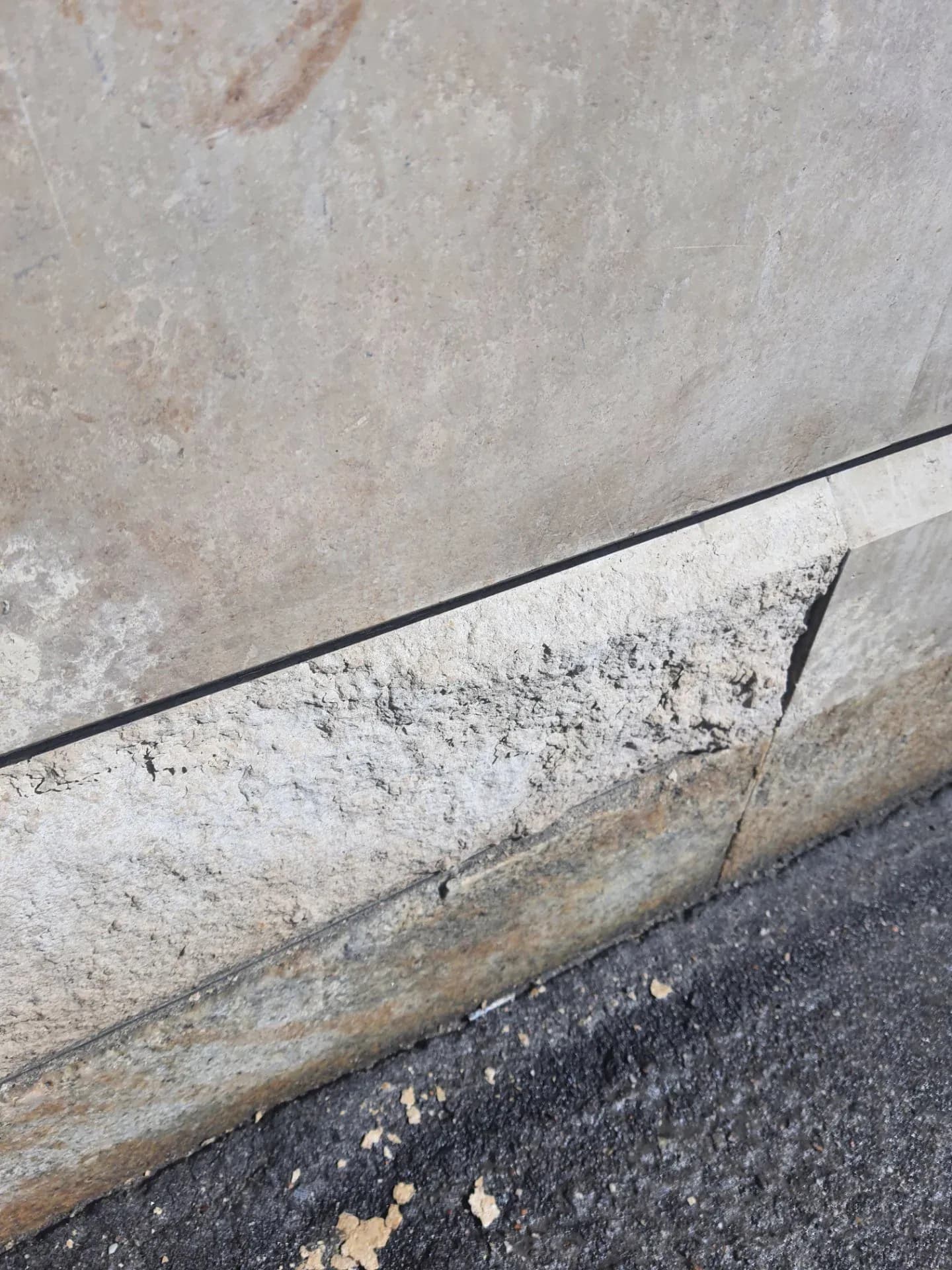
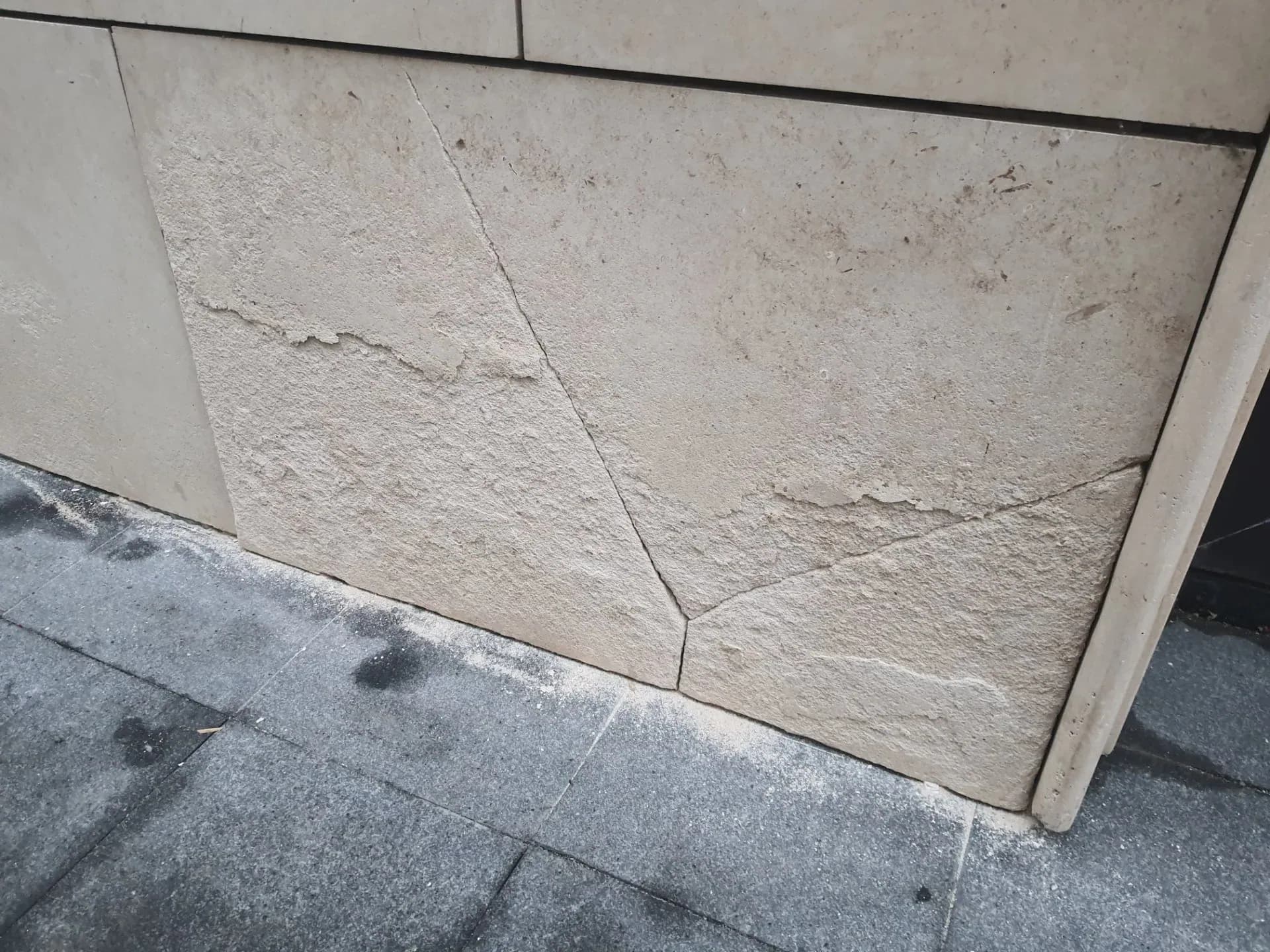
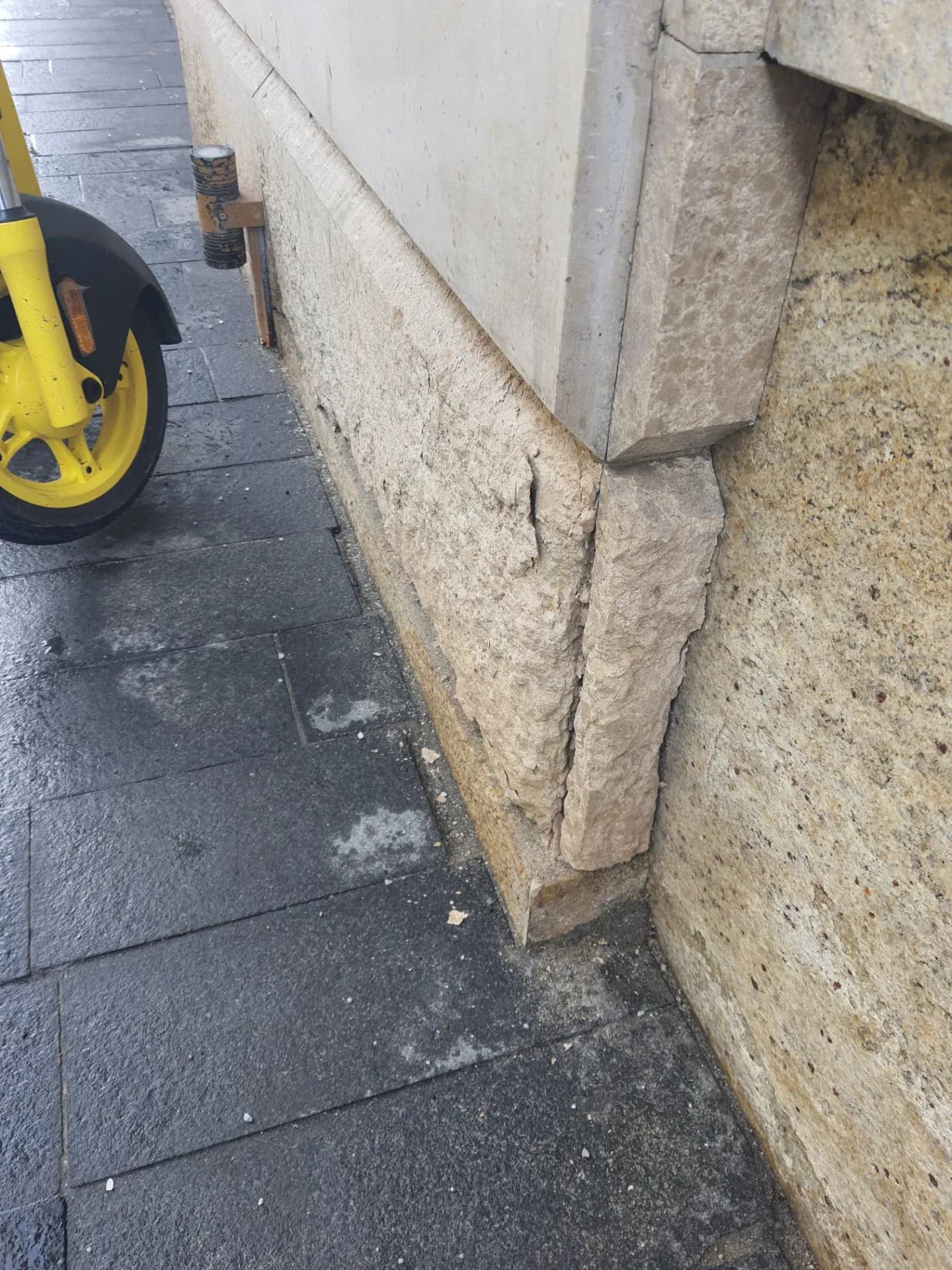
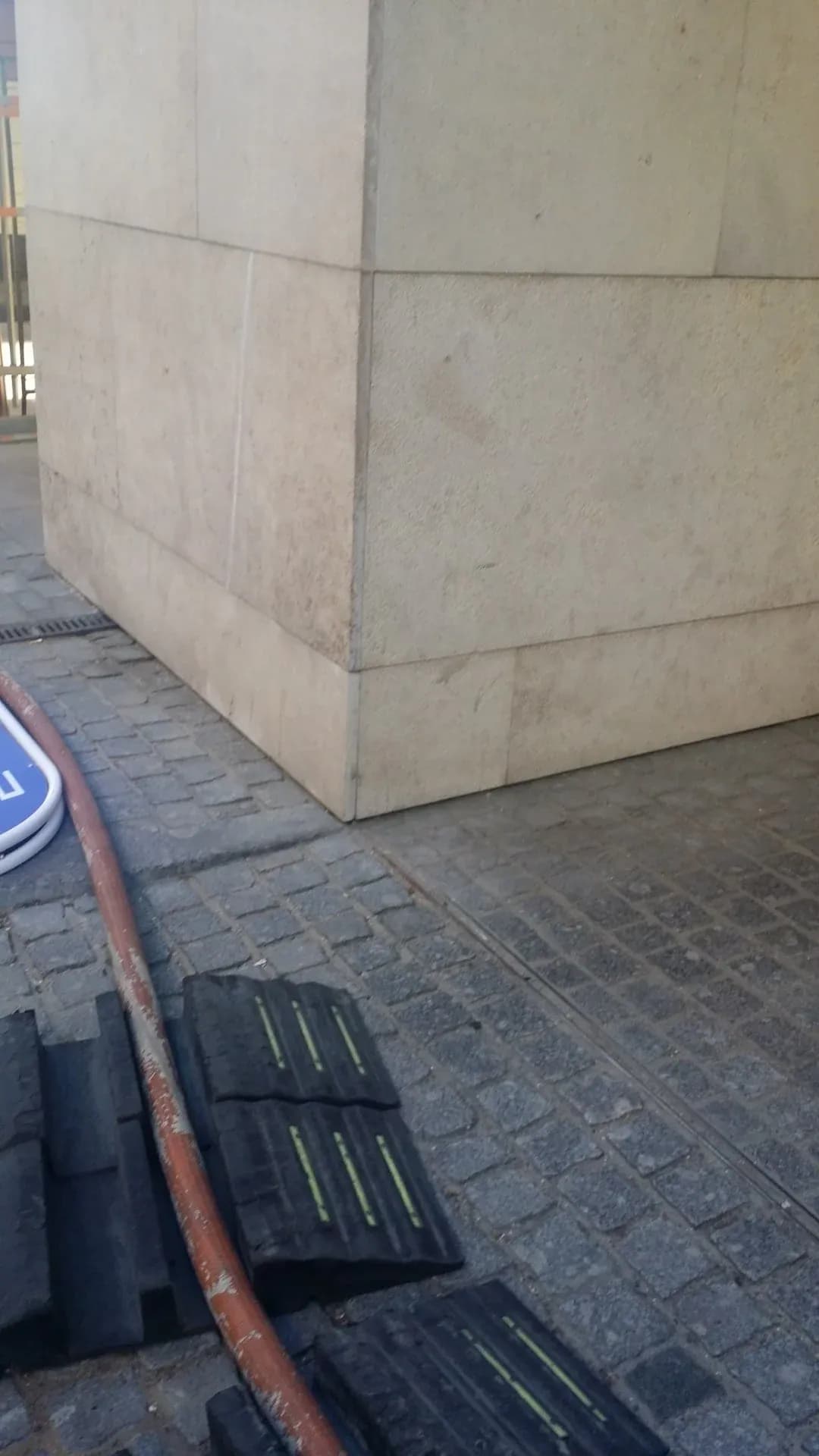
🔍As can be seen from the above photographs of various limestones, destruction occurs almost always. The question arises: can limestones be used as a finish for base slabs? We are inclined to believe that in our climatic zone, using Jurassic limestone as a material for the bases of public buildings is more related to the engineering task of its placement on the building facade and probably to the method of hydrophobization of the directly lower base slabs.
 🔍
🔍 🔍
🔍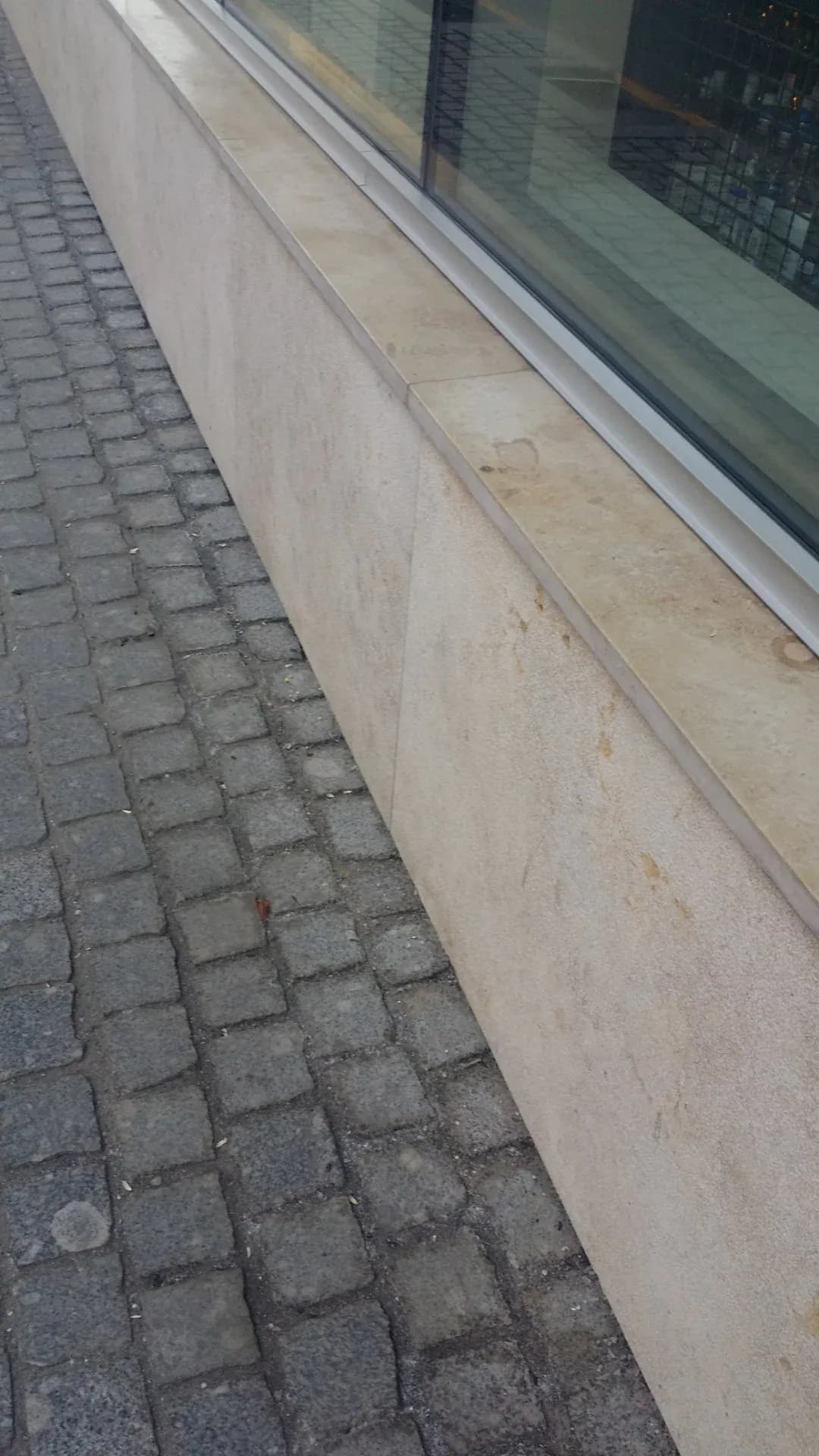 🔍
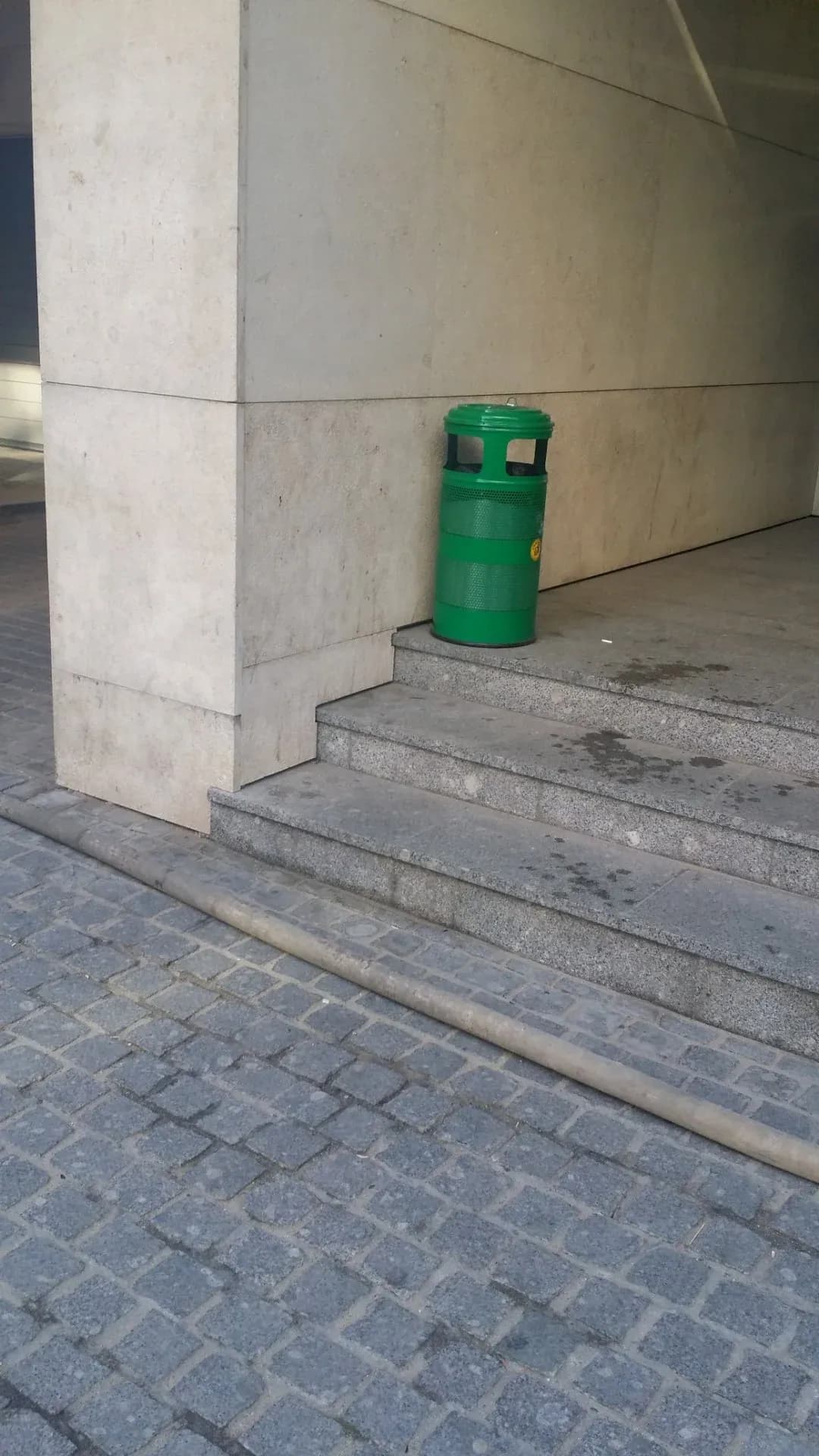
🔍Specific destruction and the time of its occurrence depend on many reasons, and it is quite difficult, without having identical operating conditions and characteristics of specific base slabs, to draw conclusions regarding one or another limestone. Actually, having data on the date of commissioning of a specific building, the material of the base slab finish, as well as operating conditions, one can make certain hypotheses for comparing the base finish material. We think that it makes sense to consider primarily administrative buildings within the city, since private mansions and residences are not subject to such harsh operational loads (salt reagents, amount of passing traffic, passing flow of people, etc.). Undoubtedly, Jurassic limestone is not the material from which the base of a building, namely its lowest part, must necessarily be made. This is stated above. Nevertheless, there are enough examples of its performance, including in the lower part, where it has been preserved without critical damage over a long period of operation.