
People have used natural stone for many purposes since antiquity. Expressions such as “solid as a rock” reflect its long-standing association with strength and durability.
Natural stone is becoming increasingly popular in buildings and interiors as clients seek comfortable, lasting homes and properties that can pass to future generations. The idea of the family estate is returning. The photographs show private residences built with Jura Limestone.
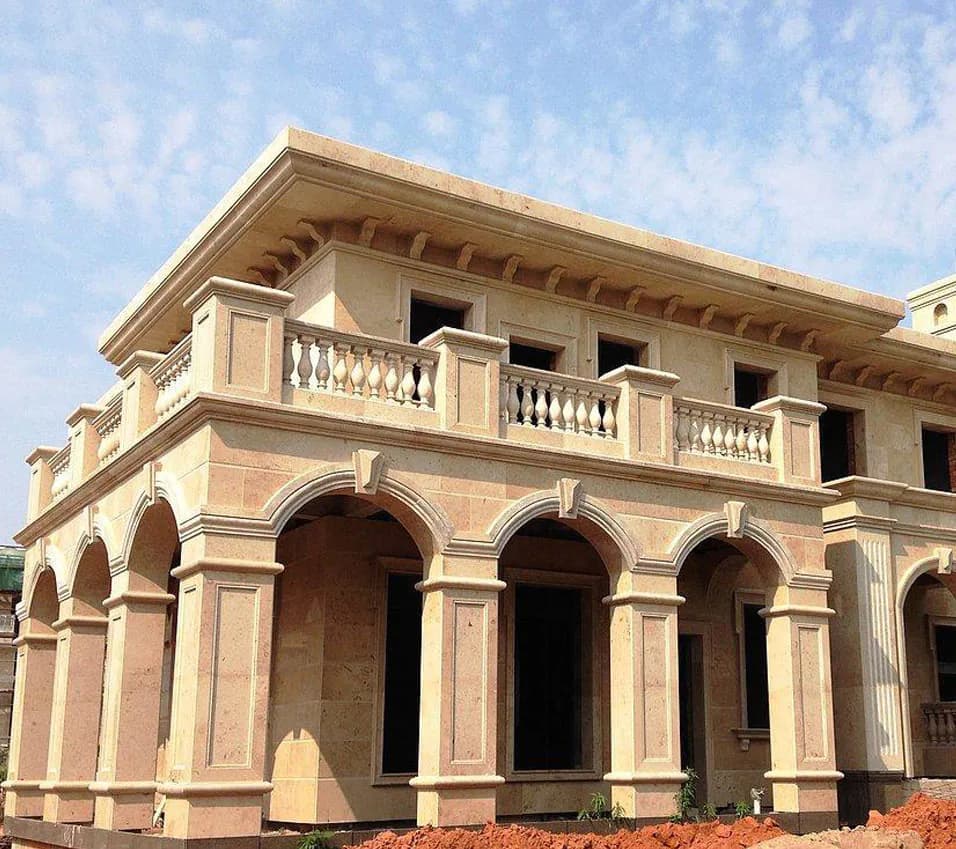 🔍
🔍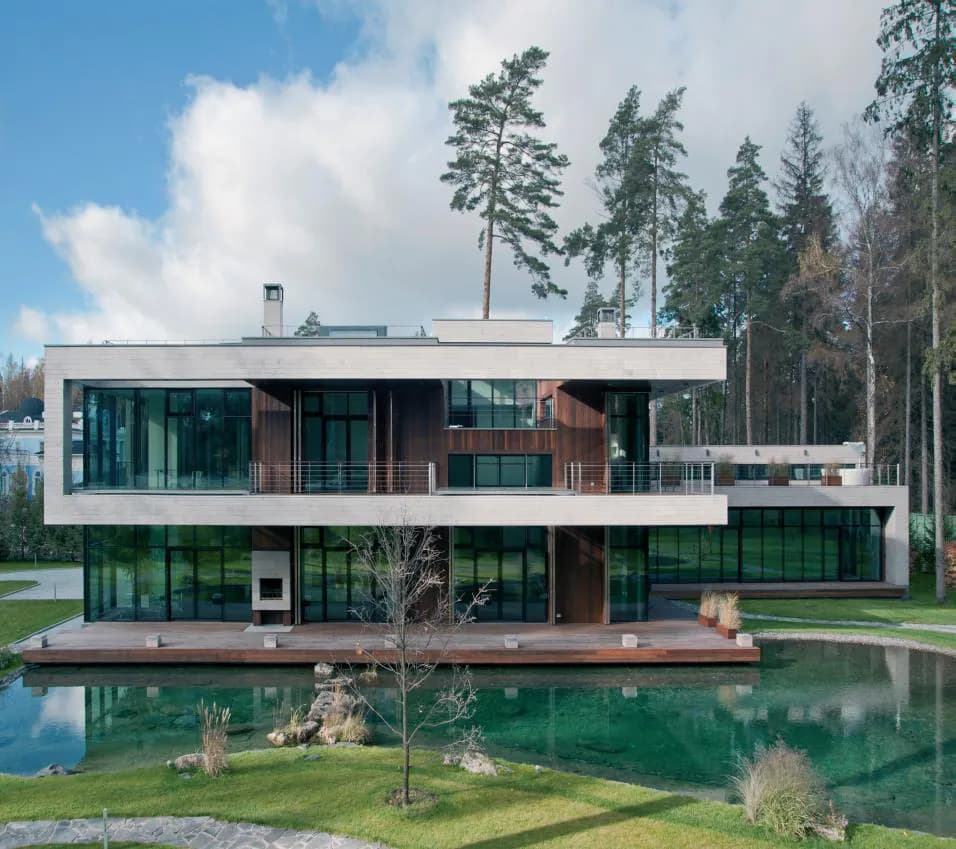 🔍
🔍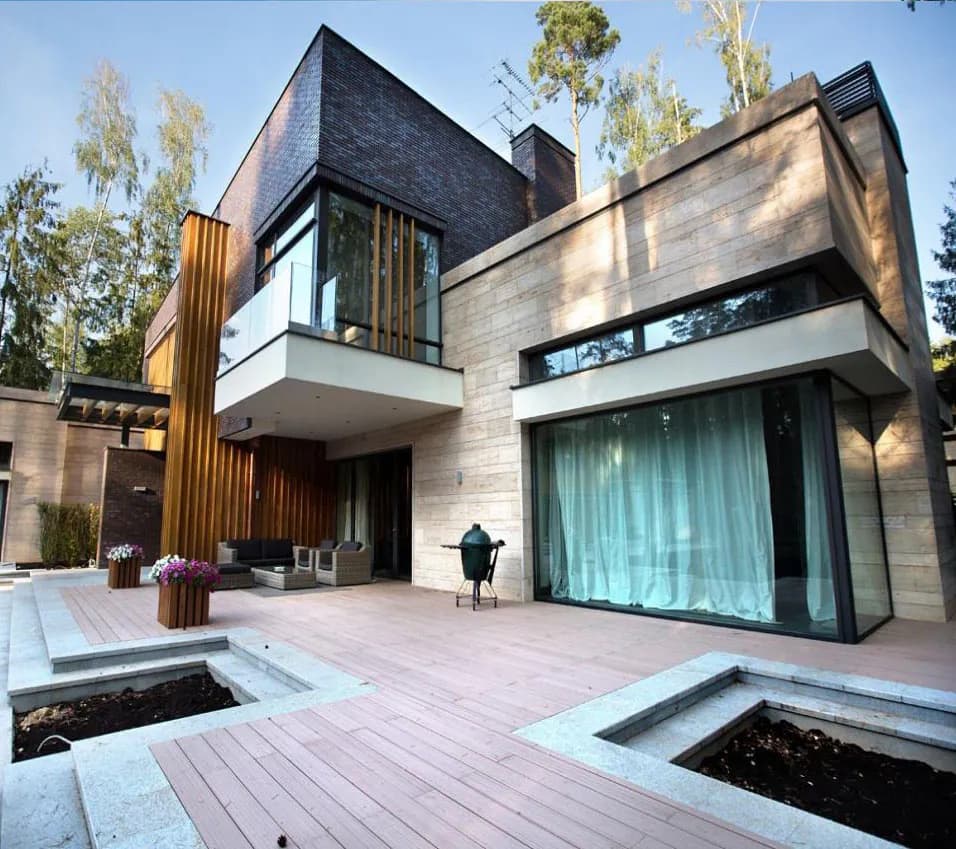 🔍
🔍Natural stone varies widely in mineral composition, colour and pattern. For interiors and facades, polished carbonate rocks—marble and marbled limestone such as Jura stone—are often preferred. They consist mainly of calcium carbonate, or calcite, with the formula CaCO₃.
Unrecrystallised organic matter can add grey and black tones. Iron oxides create warm colours from pale yellow to red and cherry. Even small quantities of chlorite or fuchsite, a chromium-bearing green mica, can give the stone a green hue.
The beige colour palette of Jura Limestone shown with different surface finishes.
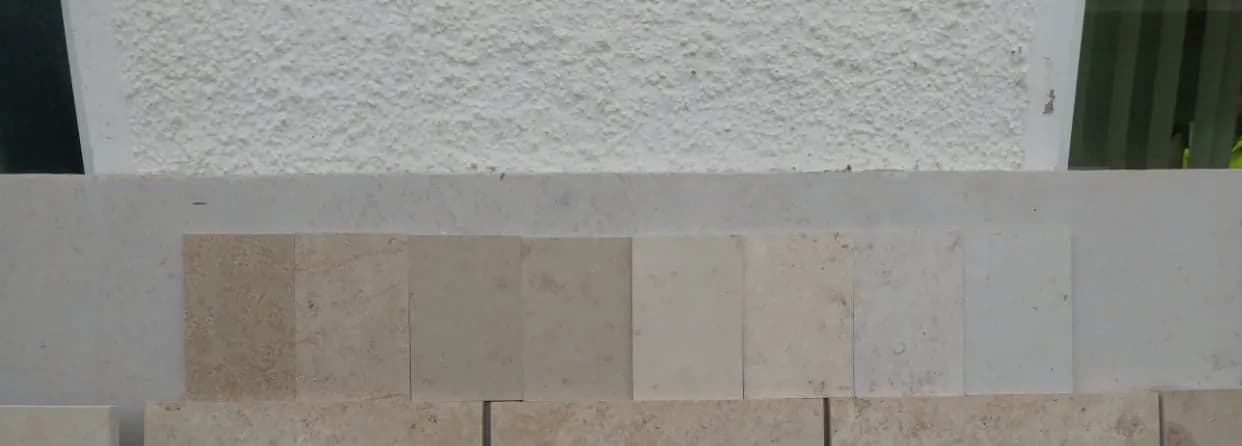 🔍
🔍No two stones are the same, and attractive colour alone does not prove suitability. A selection must match the intended conditions. An eye-catching polished slab may still fade, scale or develop severe staining within a year if its mineral structure is unstable.
Historic stonemasons worked the same sources year after year, observed performance and passed that knowledge through generations. The principle remains relevant. Companies that quarry and process their own stone should be distinguished from traders that buy blocks, slabs or finished products. Only a small number of Jura producers control the full chain; JuraLimestone GmbH is among them.
A client who orders blocks receives raw material from the specified layer, not a guarantee of the quality of every finished component.
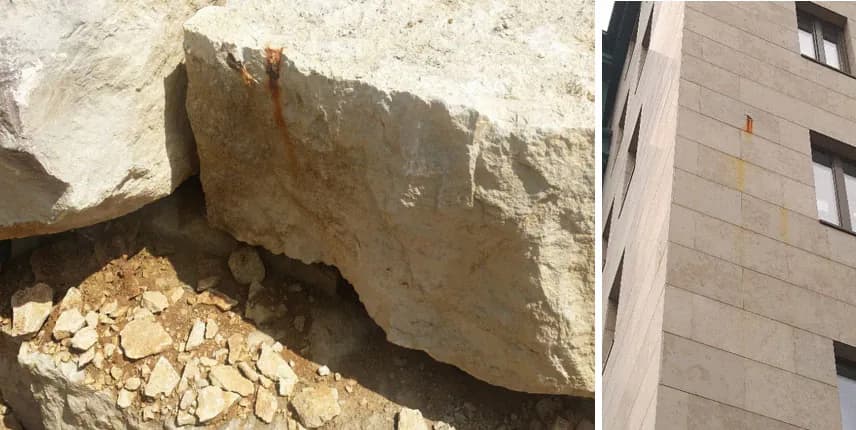 🔍
🔍A buyer of slabs must decide which areas to reject and which to sell as finished plates. The rejection rate is directly connected to yield, profitability and final cost.
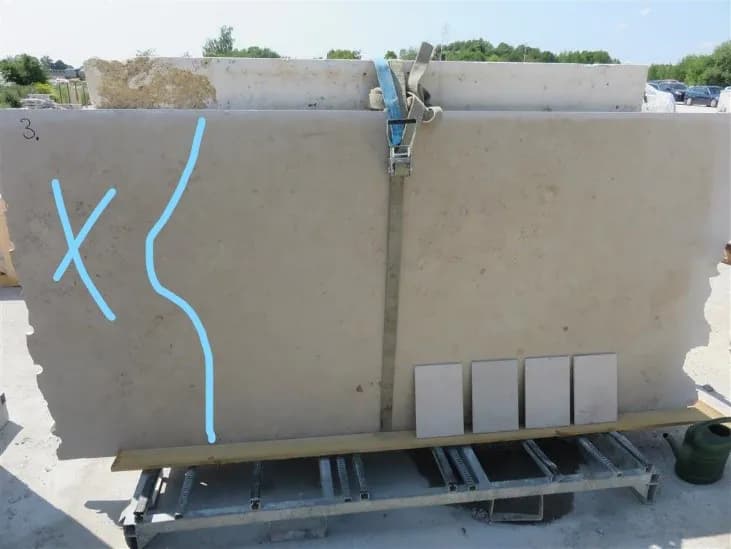 🔍
🔍A factory that owns its quarries has a strong reputational incentive not to release a doubtful finished product.
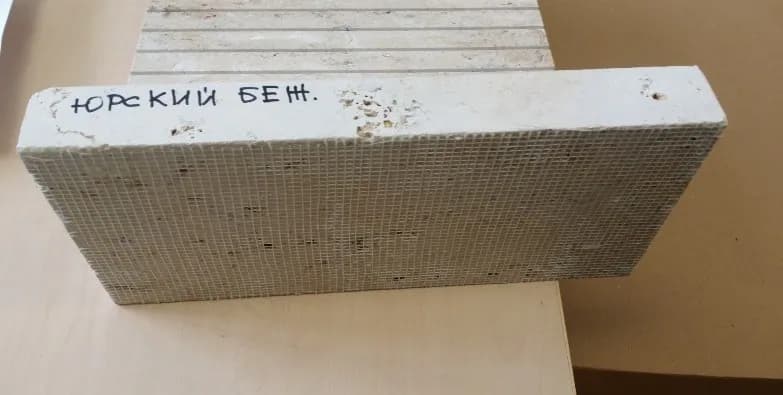 🔍
🔍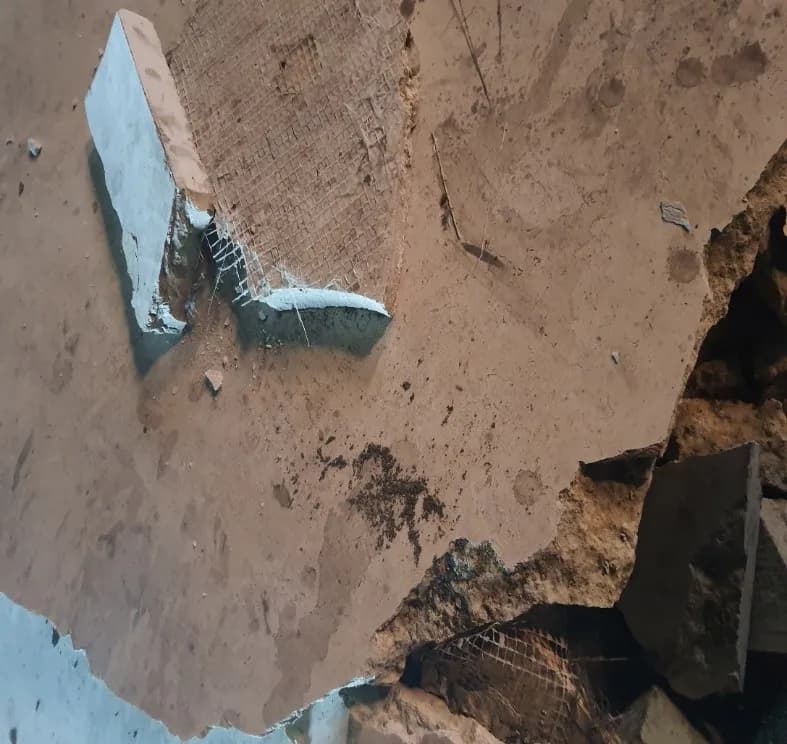 🔍
🔍An example of substandard Jura Limestone reinforced with mesh on the reverse and subsequently deteriorating in service on a facade.
Consider blocks bought in Germany and sawn in Russia. In theory, one cubic metre could yield about 27 m² of 30 mm slabs. Long-term processing data show that, depending on the layer, no more than about 16 m² of technically acceptable finished stone may remain even before the client's aesthetic selection. The other 11 m² is rejected and in Germany is disposed of or processed into aggregate.
Shipping blocks to Russia means paying freight on both usable stone and future waste. To offer a low finished price, a fabricator may be tempted to reduce selection and increase yield. Similar pressure occurs when Jura blocks are processed in China. China is a global leader in stone fabrication and can produce certain labour-intensive elements—particularly ornament and shaped pieces—more economically without sacrificing quality. Russian factories equipped with modern Italian machinery can likewise make such components competitively. The critical issue is not the country of fabrication but transparent block selection and an honest allowance for waste.