
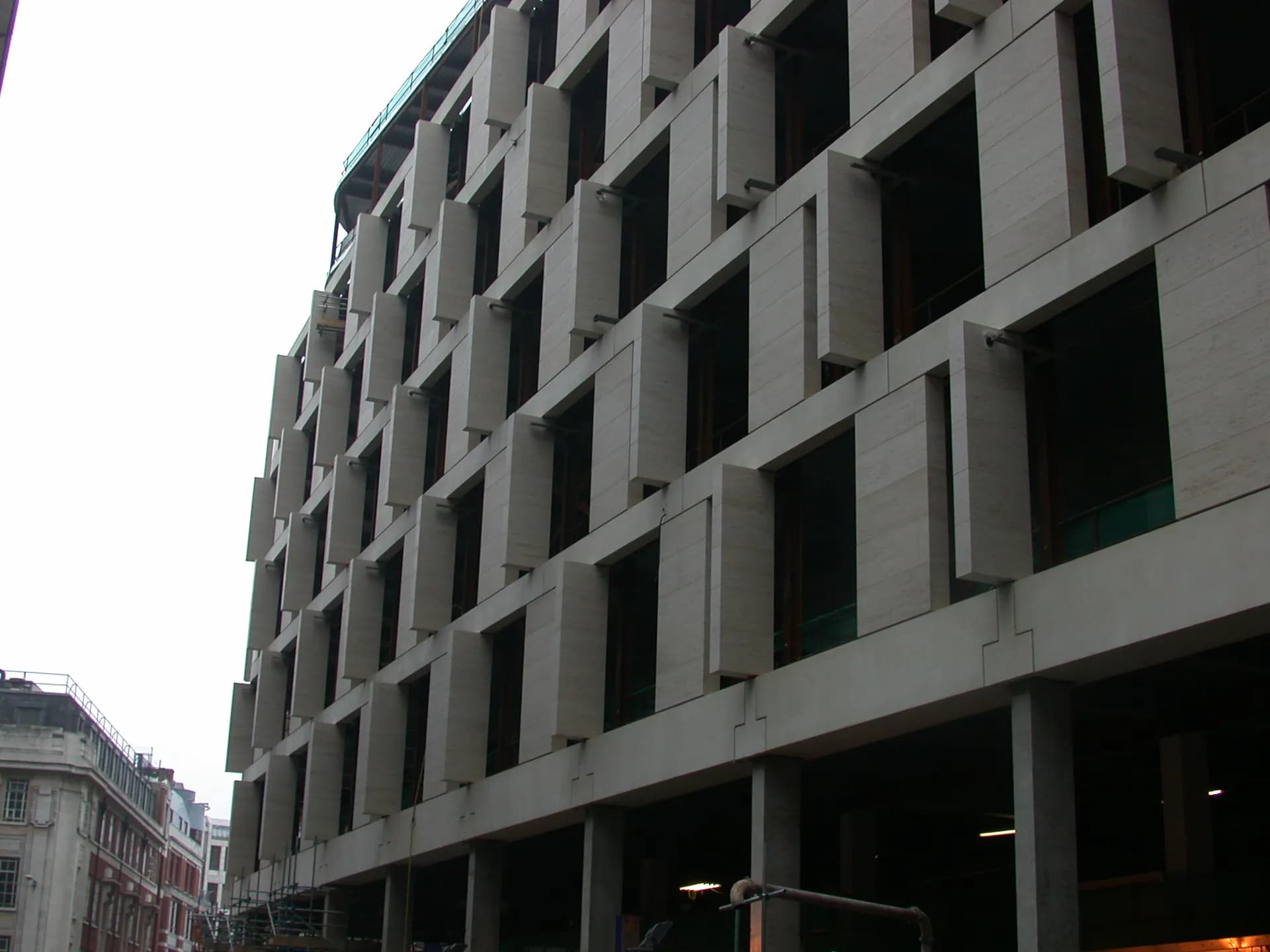
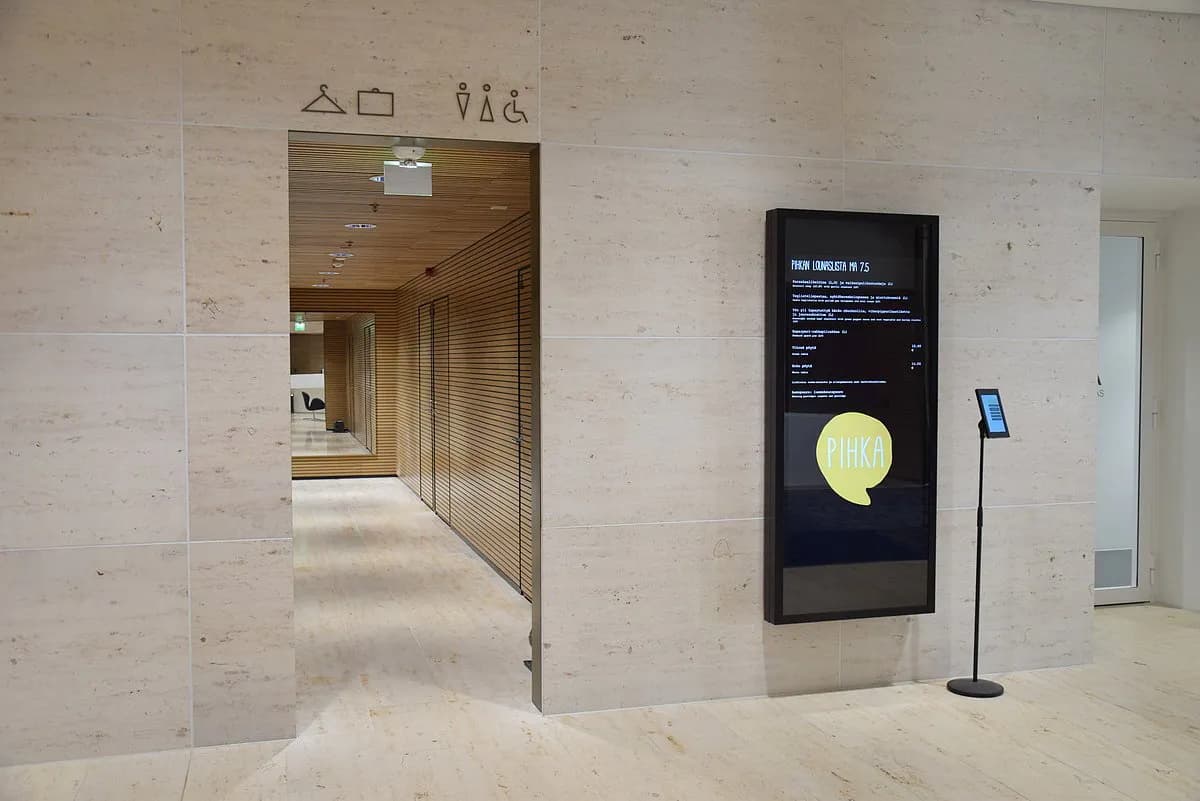
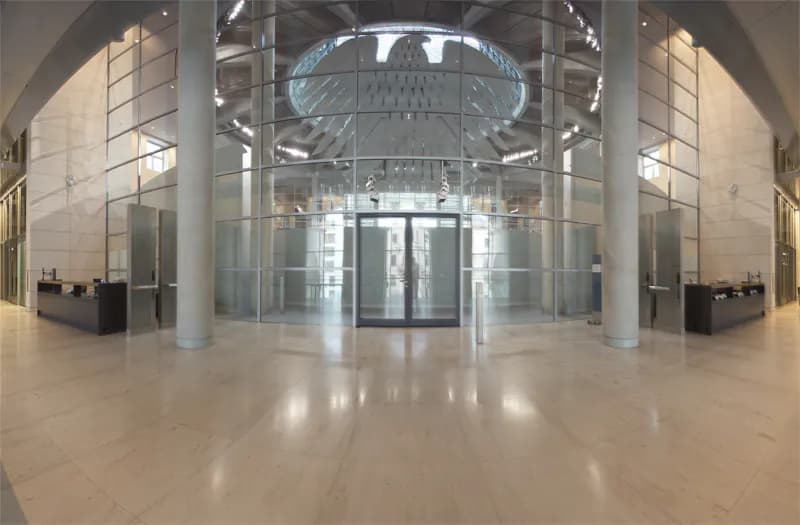
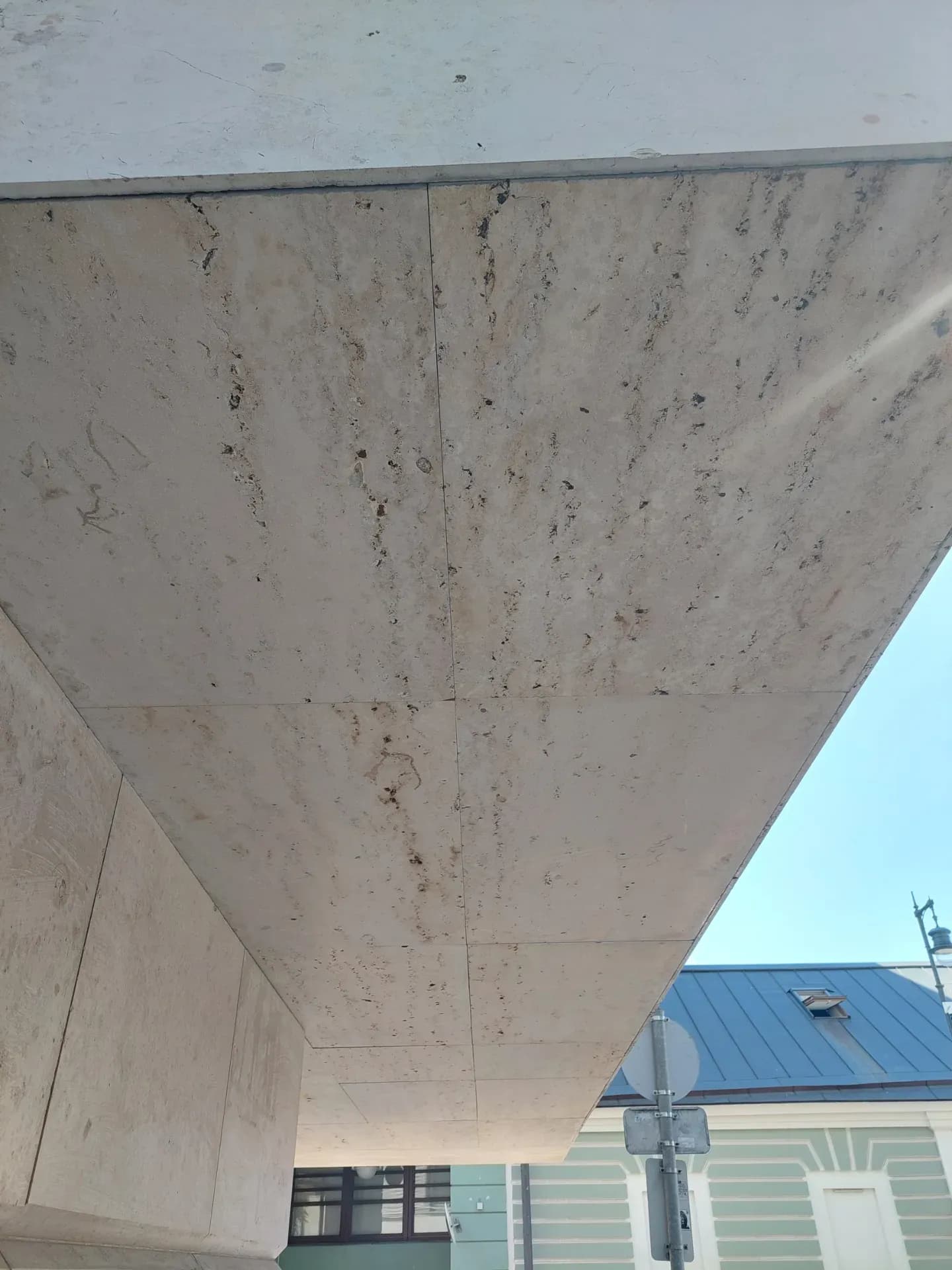
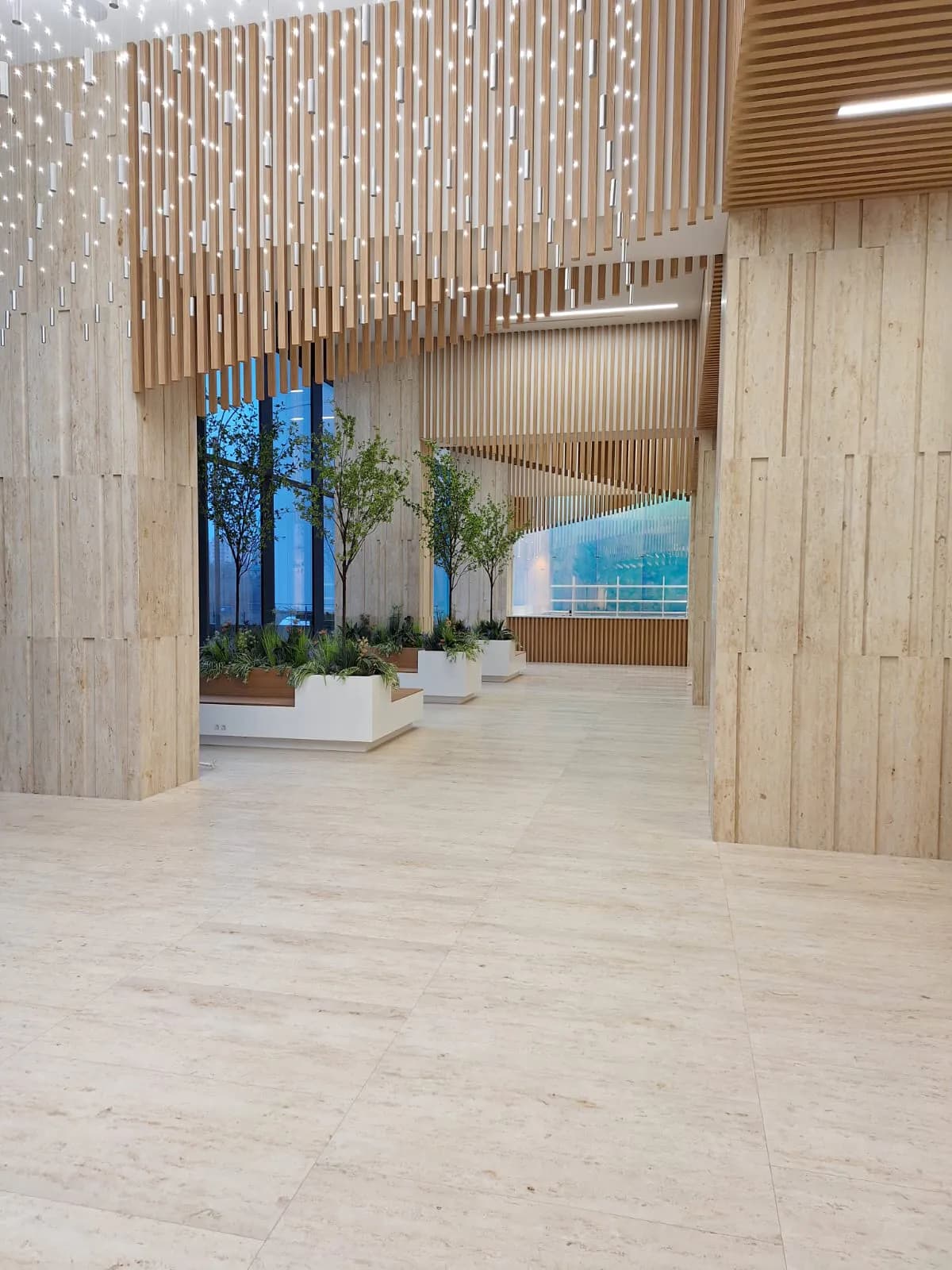
Dear reader, we bring to your attention a short article about a variety of Jurassic marble, namely Jurassic travertine. This variety of Jurassic stone is externally very similar to classic travertines, although they still differ in formation. Travertine was formed over millennia. When calcium-saturated water (often geothermal) enters conditions where pressure drops, temperature changes, or it is affected by microorganisms (algae, mosses), carbon dioxide begins to be released from the solution. As a result, calcium carbonate (CaCO₃) precipitates and compacts over time. Gas bubbles can get “stuck” in pores and cavities — they are what create that very characteristic porous texture of travertine. Jurassic travertine is a full-fledged representative of Jurassic marbles, although it has external distinguishing features - directed veins, similar in texture to classic travertines. In the Jurassic industry, this type of Jurassic stone is extracted from the 10-11 layer with a vein-cut sawing. This Jurassic stone can also be called Jura Gelb Gebandert, Jura Beige/Gelb vein cut, Jura Travertin, Jura Gebandert.
 🔍
🔍 🔍
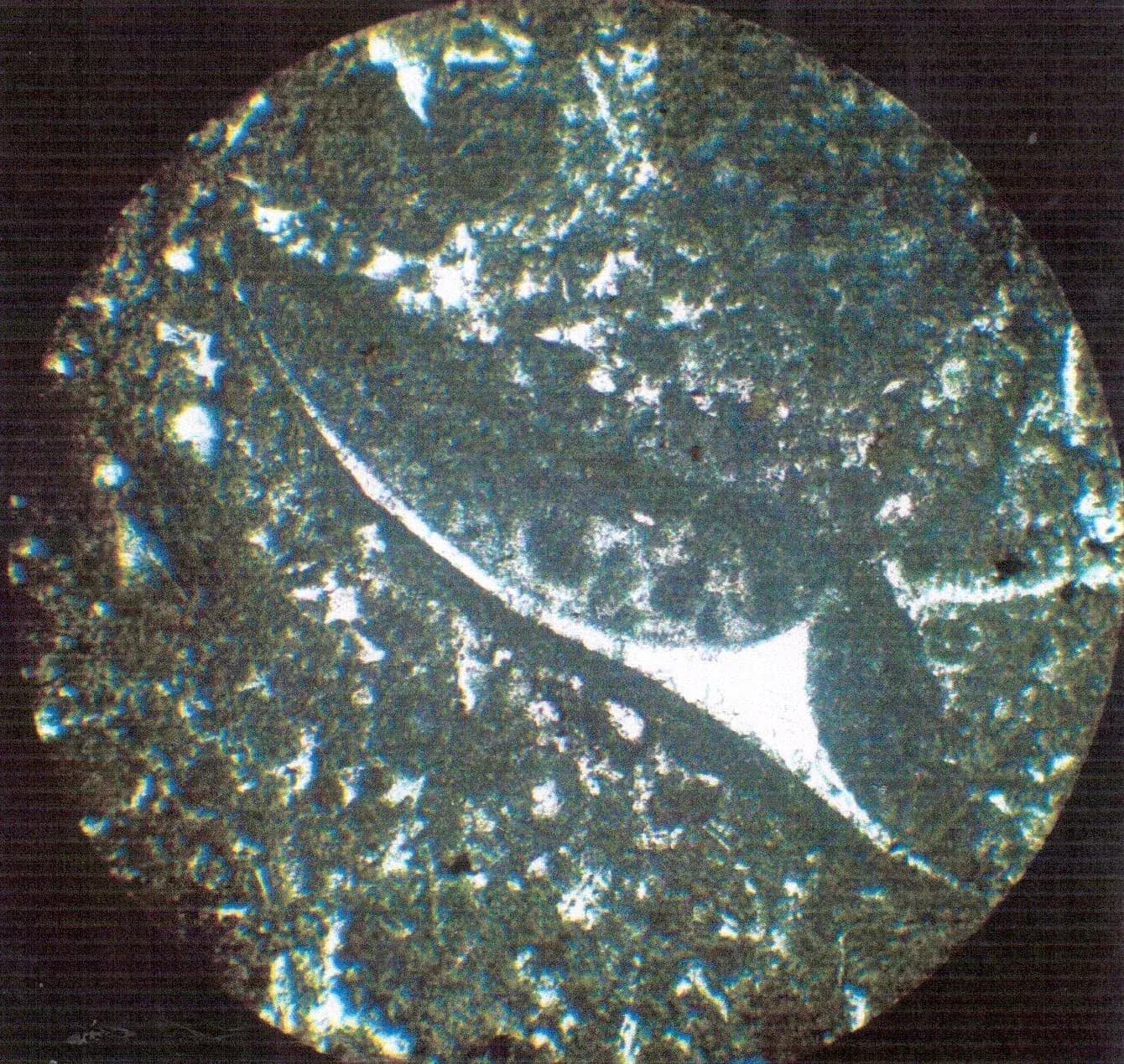
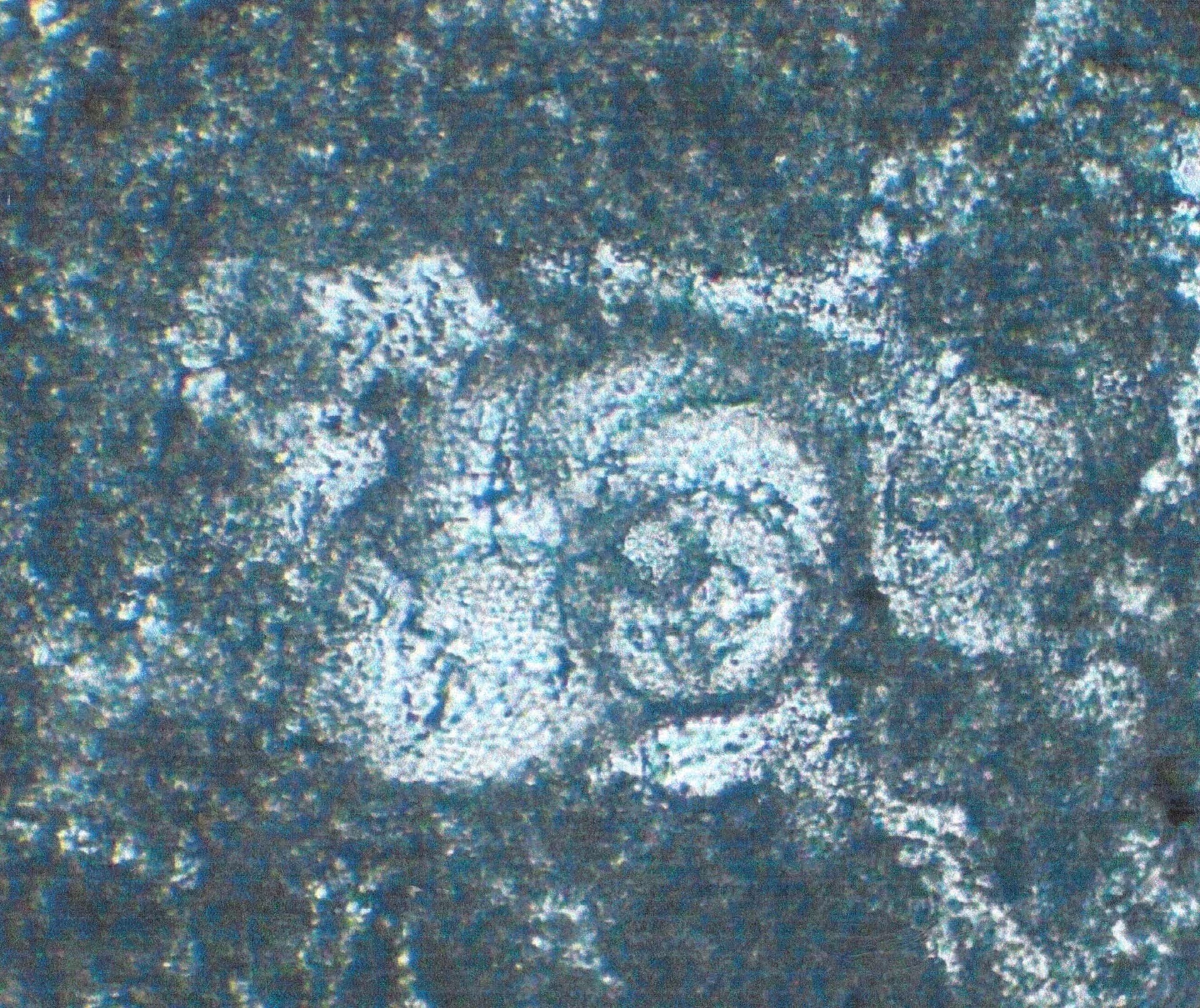
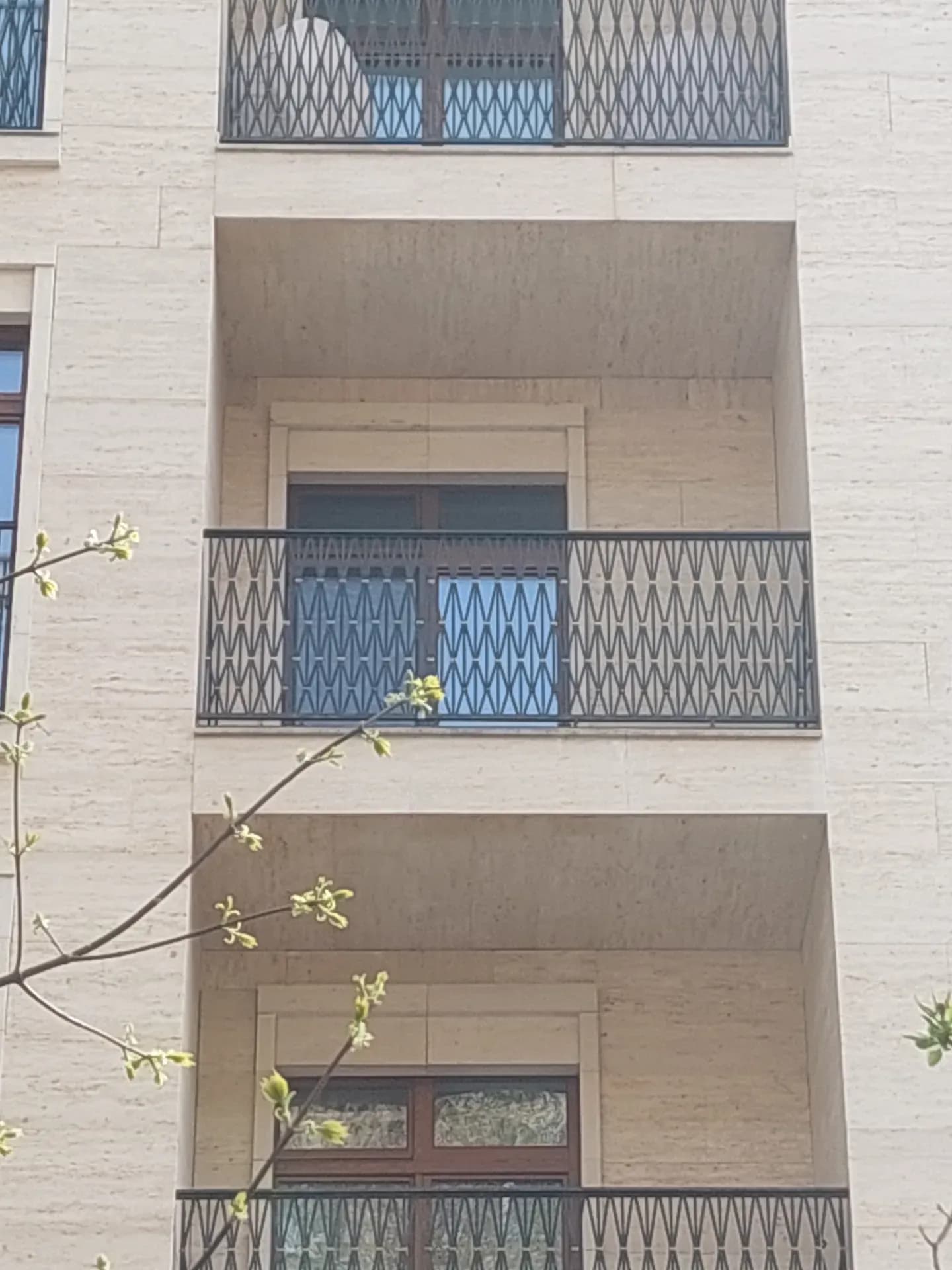
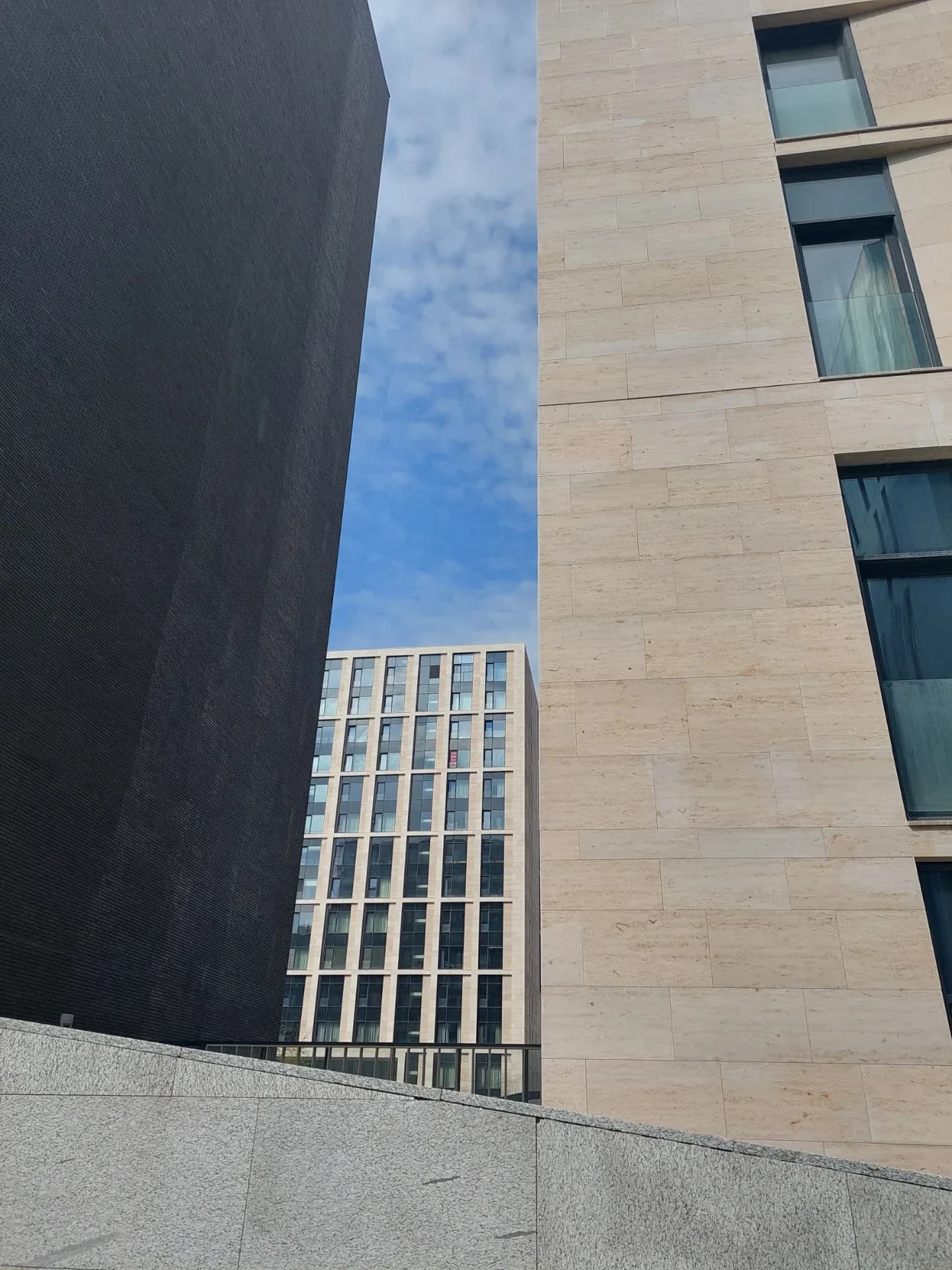
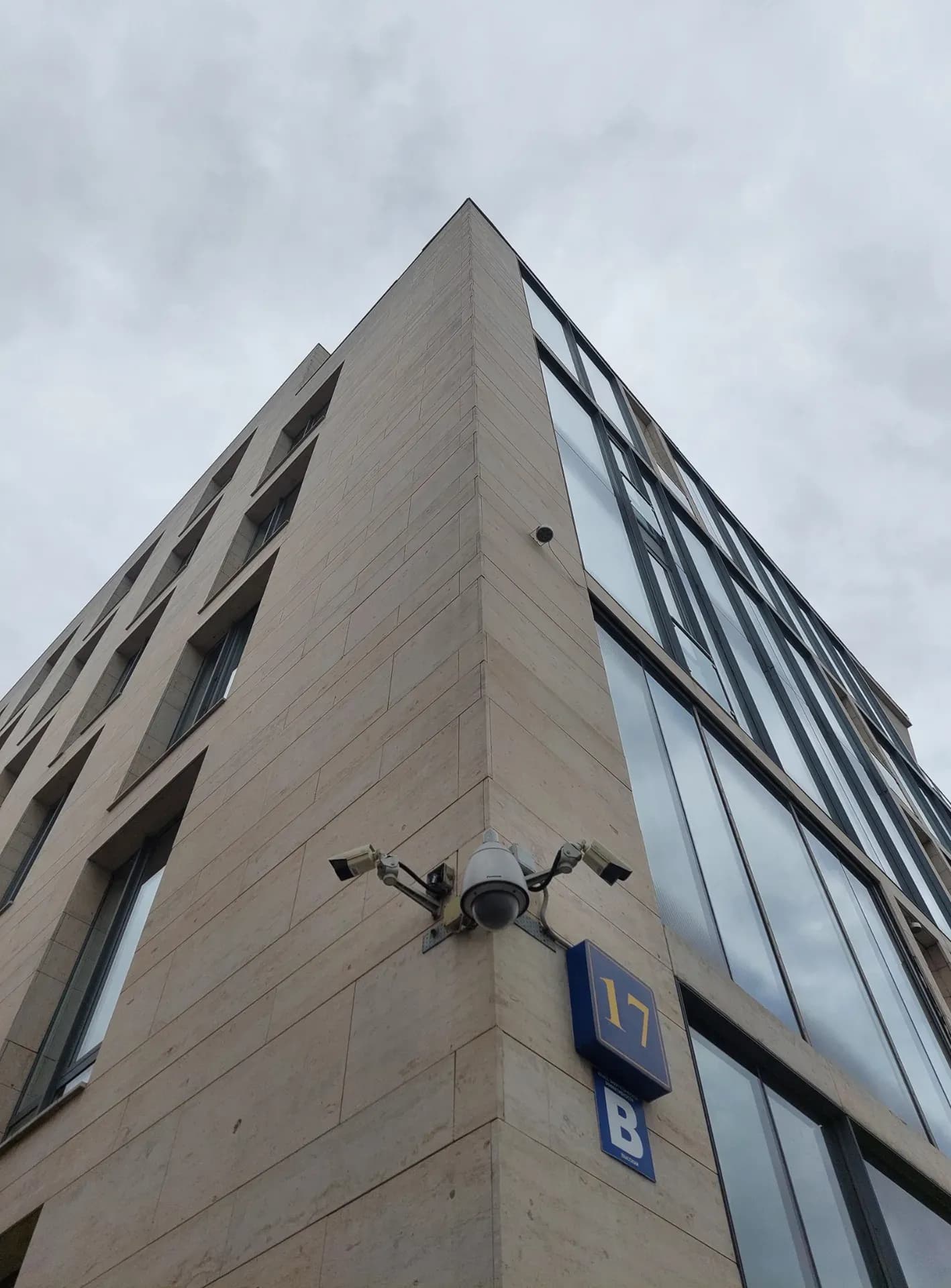
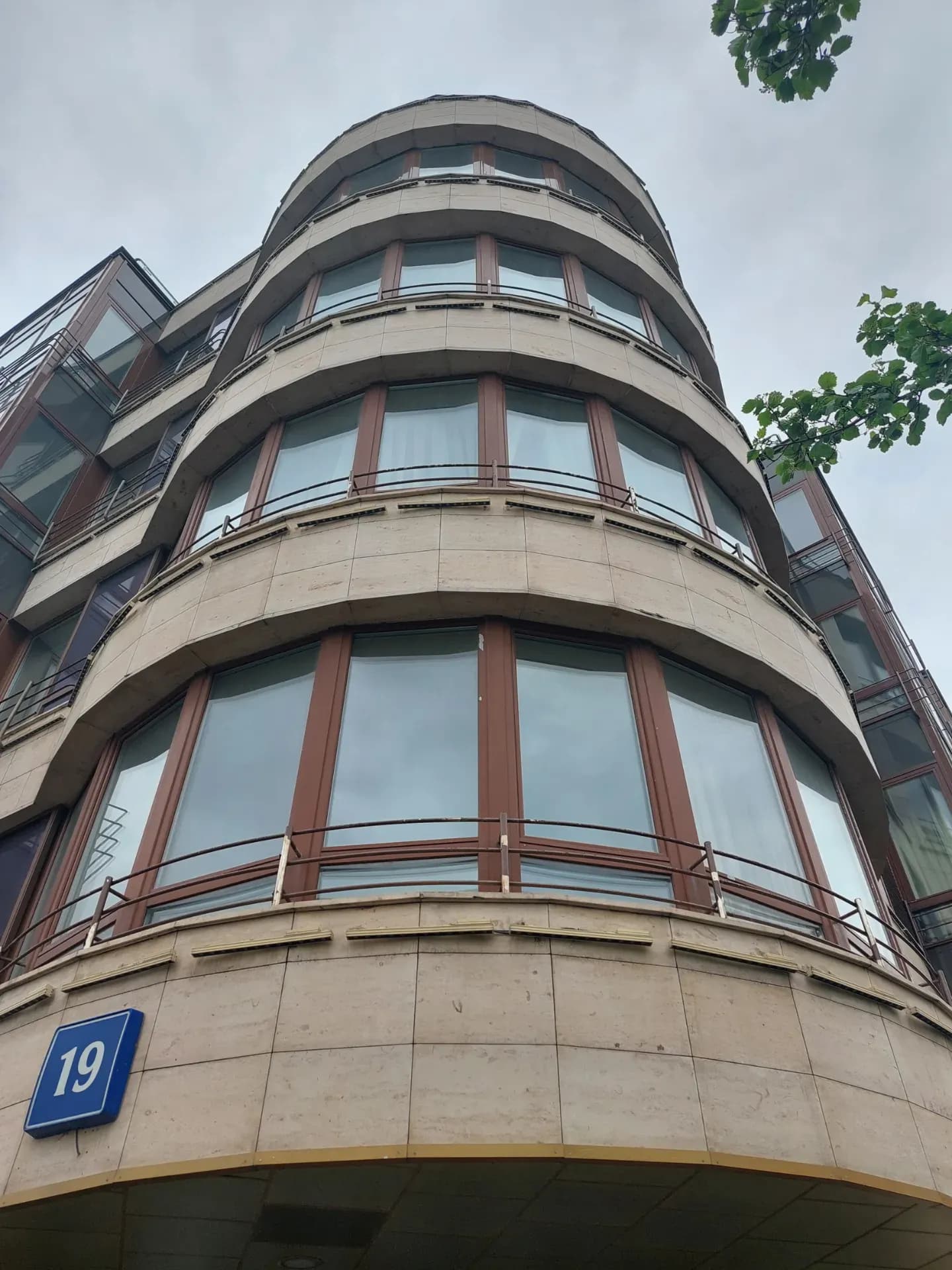
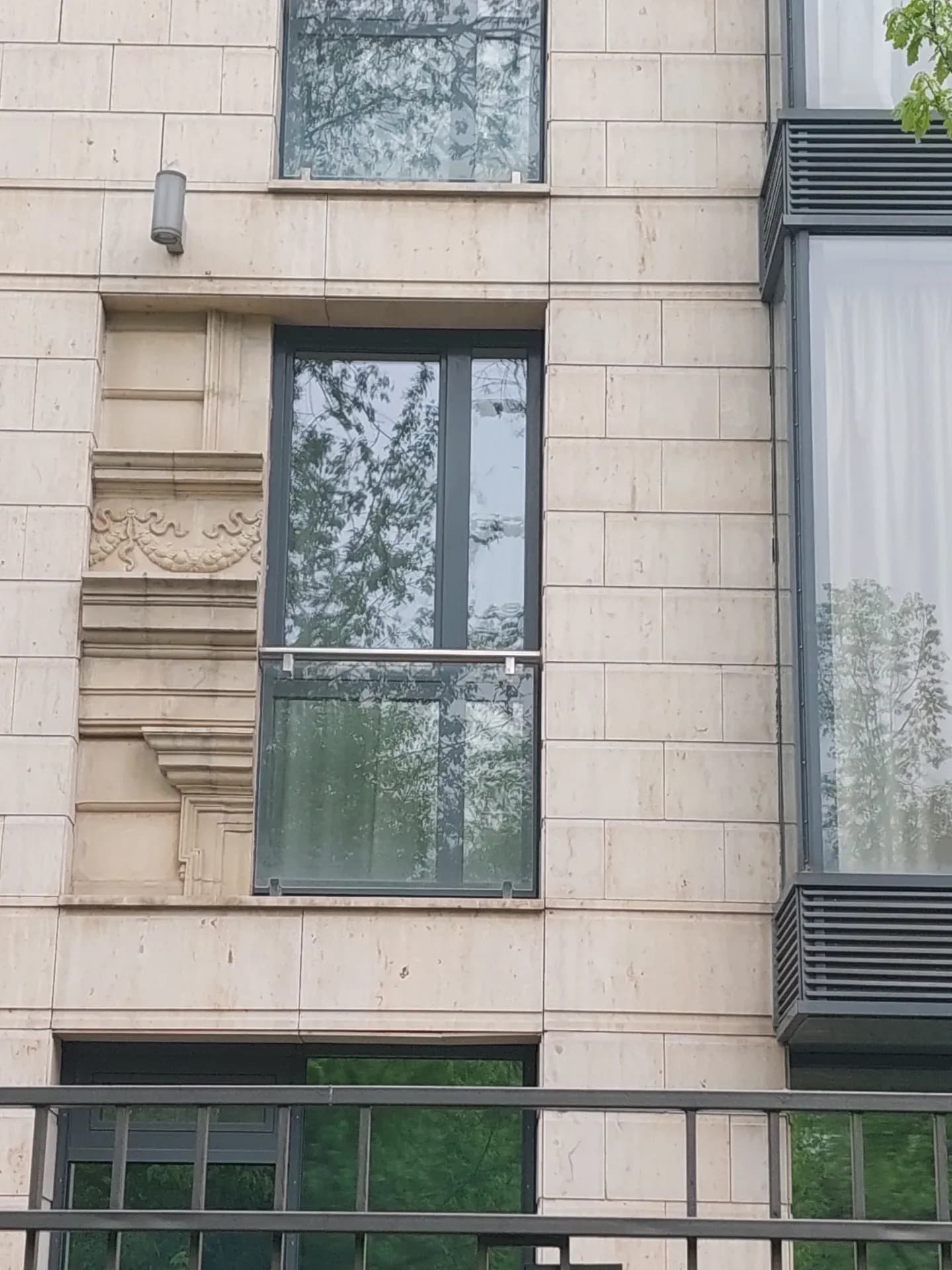
🔍By physical and technical characteristics, Jurassic travertine is in no way inferior to other types of Jurassic marble, and the range of its properties meets the required indicators for use on building facades in climate zone IIB and above. Petrographic studies show that Jura Travertin consists of rounded fragments of non-recrystallized limestone, concentric ooids, fragments of mollusk shells, fossilized remains of fish and sea urchins cemented with carbonate. Fossilized remains of marine fish are represented in this Jurassic stone by rare fragments of vertebrae and more frequent bone remains.
 🔍
🔍 🔍
🔍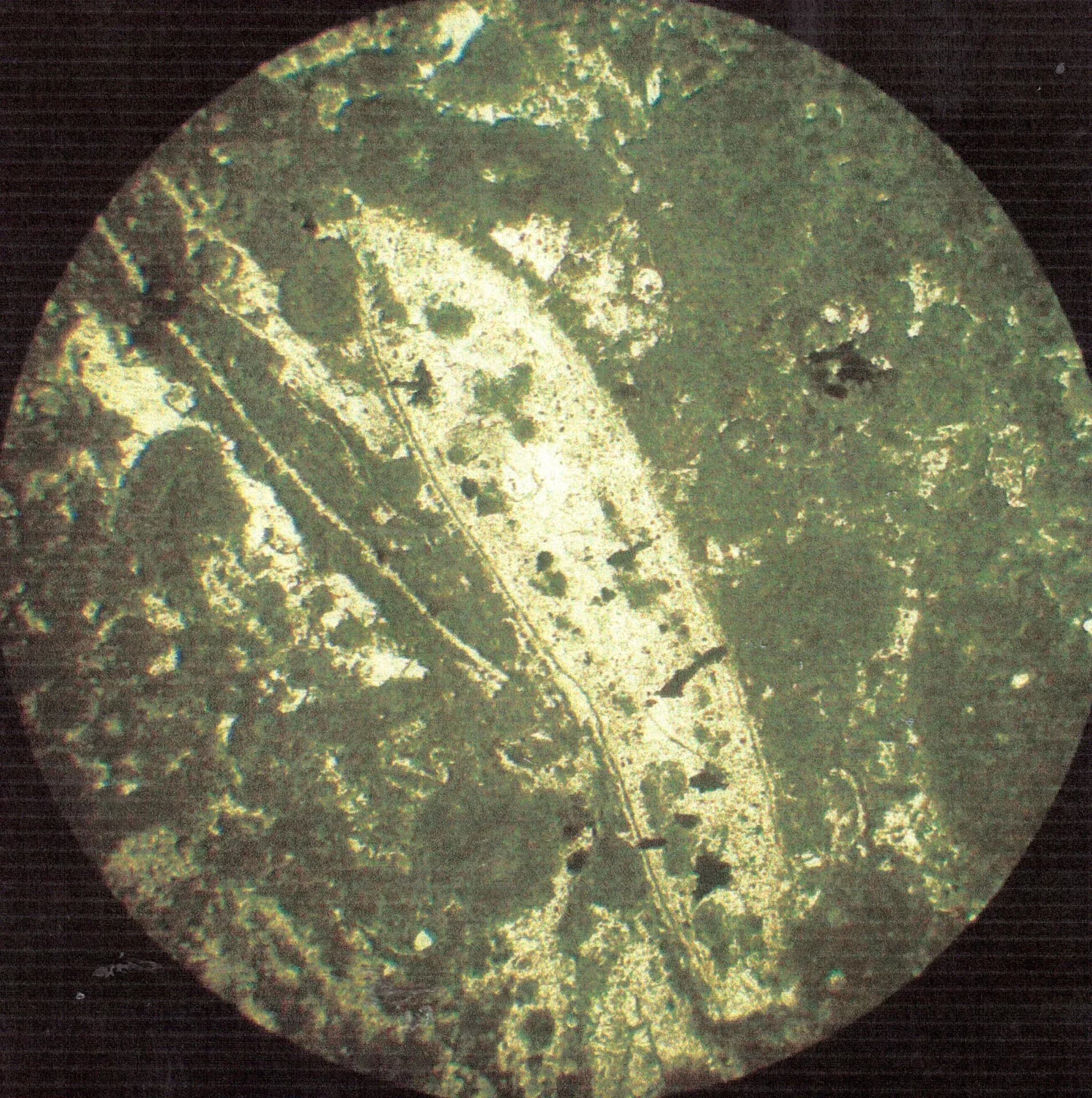 🔍
🔍As can be seen from the above photographs taken with an electron microscope, samples measuring 1.8 mm contain the remains of bones of ancient fish, shells, and even squids. On the whole, Jurassic travertine is quite dense within the Jurassic stone family. Its average density is approximately 2440 kg/m³, which places it among medium-strength marbleized limestones. Water absorption varies from 2.5% to 3.38%, and strength can reach 140 MPa. One of the most important characteristics of the material for ventilated facades is frost resistance. For this type of Jurassic marble, it is 250 cycles, which indicates a significant reserve of durability with proper operation.
 🔍
🔍 🔍
🔍 🔍
🔍 🔍
🔍 🔍
🔍 🔍
🔍 🔍
🔍