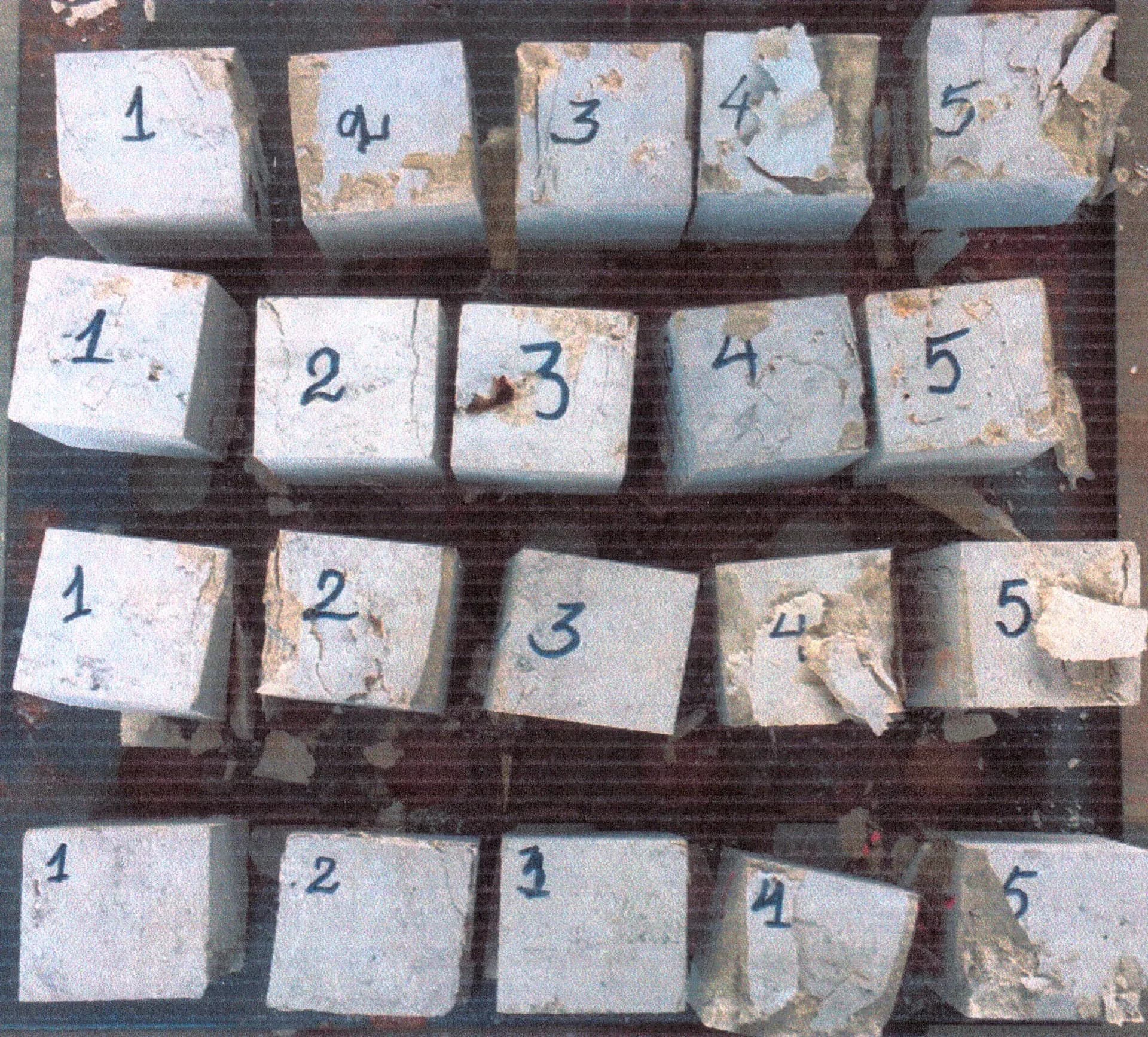
We continue the topic raised in the first part of the article of the same name. Let's try to compare Jurassic travertine with classic Italian travertines. It should be noted that the peculiarity of travertine formation is inextricably linked to the precipitation of calcium carbonate from hot volcanic springs. Thus, during the precipitation process, organic inclusions and gas bubbles are captured. Therefore, travertine has a layered structure with a low degree of recrystallization. This affects the uneven porosity of the material. It can vary from 5% to 45% within a single stone mass. This fact, as it turned out, has a direct impact on the strength characteristics of travertine, which leads to an increase in its strength after passing 100 cycles of alternating freezing and thawing. It can be said that classic travertines seem to have a self-healing effect, and their porous system acts as a damper (only closed pores) during alternating freezing and thawing. However, this phenomenon disappears when the number of cycles reaches 150. The compressive strength drops to almost the original values. This would seem to be enough to pass frost resistance of 150 cycles, since the drop should not exceed 20%, but the samples are at the limit of visual integrity, have significant cracks, and cannot be used. Jurassic travertine, as we have already said, withstands 250 cycles of frost resistance with a strength loss of about 15%. Moreover, this result is repeated both across the "fibers" and along the "fibers".
 🔍
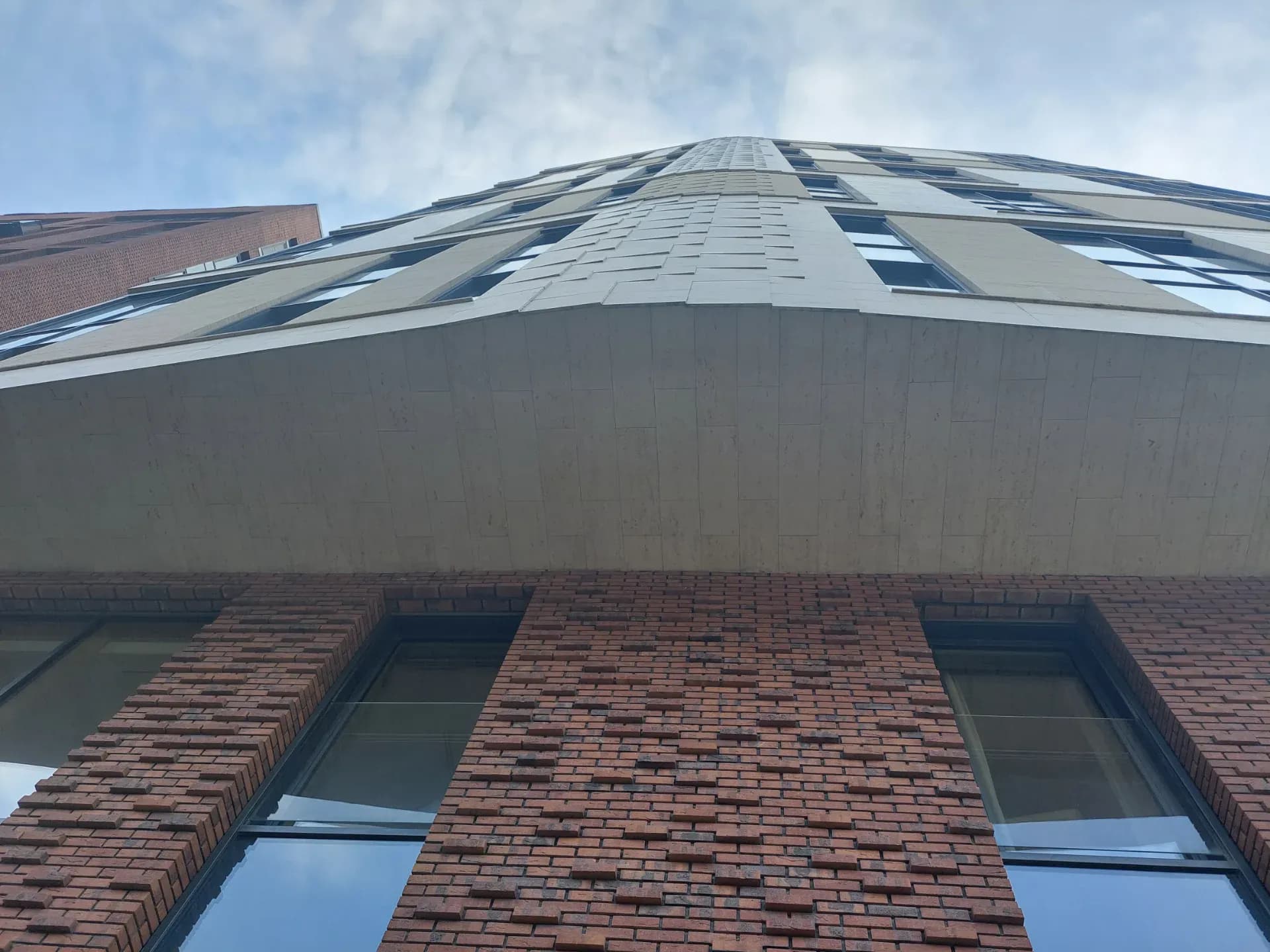
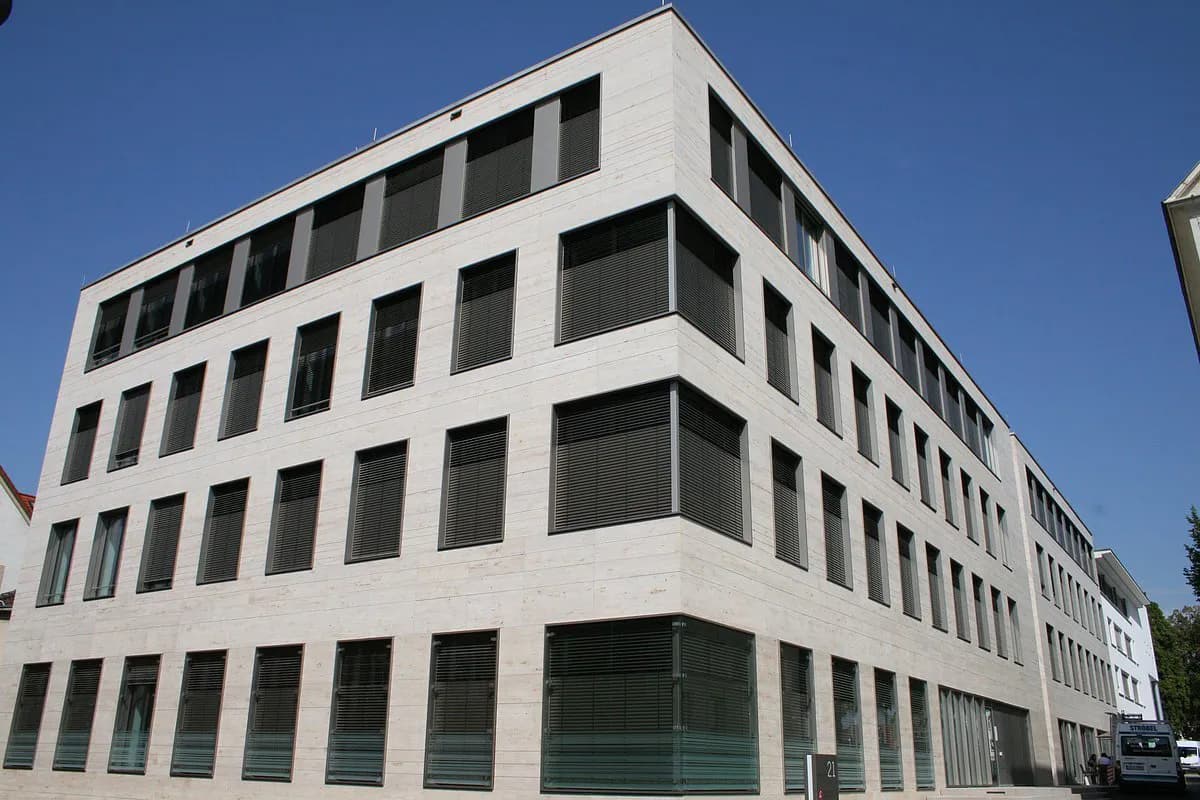
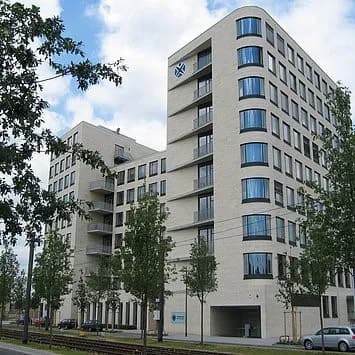
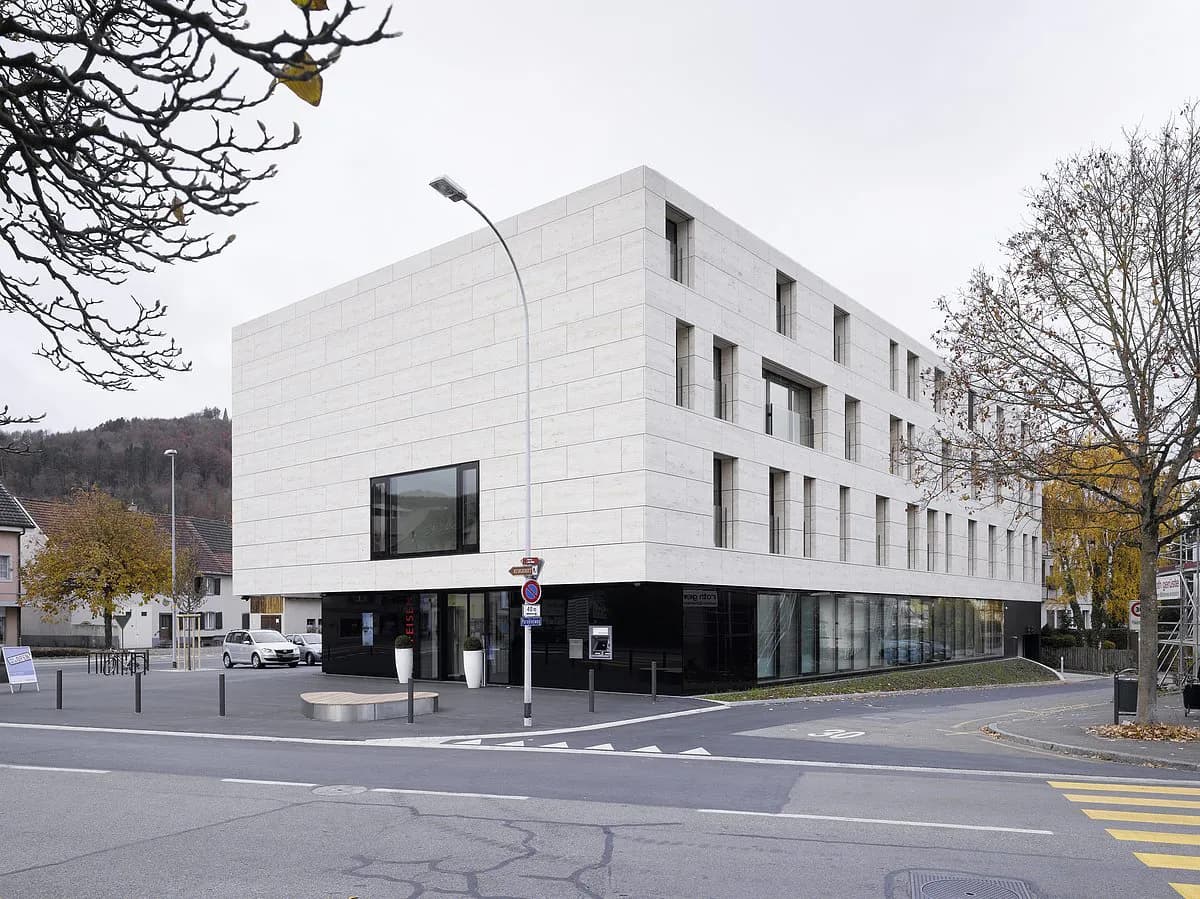
🔍Please excuse us, but in this article we present exclusively a subjective opinion regarding the use of one or another natural stone. Jurassic travertine as a facade finish has long proven itself as a dense, durable, and frost-resistant material, ensuring trouble-free operation of a ventilated facade for the entire design service life of the building. If we exclude special areas of application, such as first-level base slabs, then Jurassic travertine does not require hydrophobization.
 🔍
🔍 🔍
🔍 🔍
🔍