
 🔍
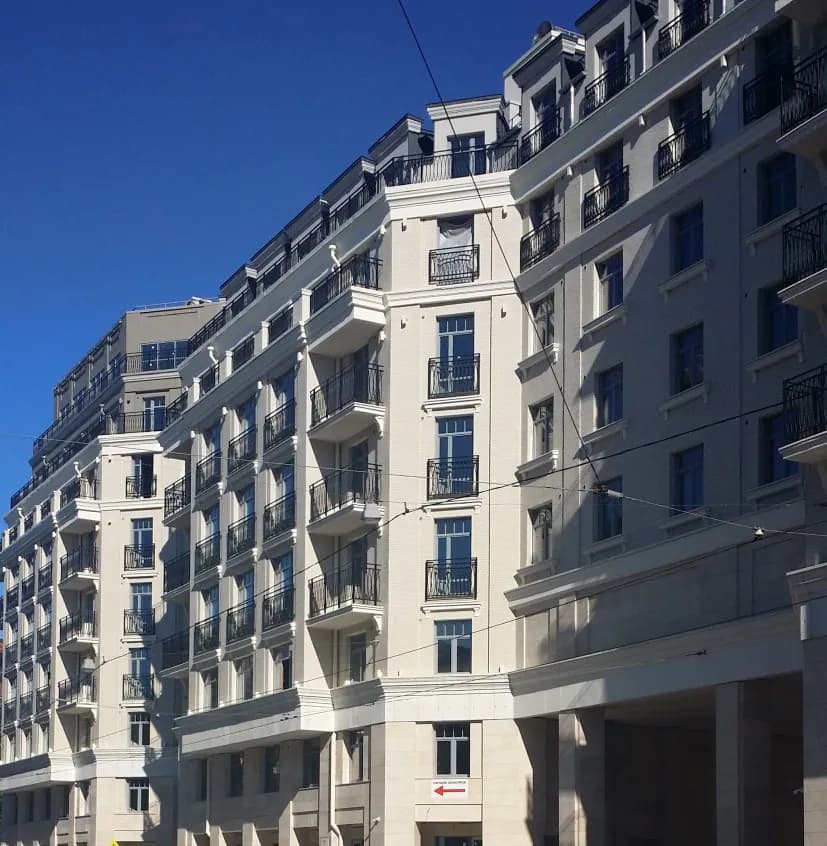
🔍Light-coloured limestones hold an important place among contemporary facade materials. Compared with many other natural stones, they can offer moderate cost, a natural fit with the surrounding landscape, easy on-site working, useful thermal properties and sufficient workability for complex carved profiles with crisp edges.
At the same time, several characteristics limit their use in exterior cladding:
Limestone in the Russian Federation
Around 15 Russian limestone deposits have been explored specifically for facing and sawn wall stone. Roughly 30 further deposits—principally assessed for rubble, construction stone, limestone flour or cement raw material—are used occasionally to select oversize pieces for architectural and restoration work.
Limestone in CIS countries
The former Soviet republics also contain many quarries producing light stone for building facades and other cladding.
Kazakhstan's Mangystau Region contains major deposits of Sarmatian shell limestone associated with the Caspian basin. The large Zhetybai deposit supplies both wall and facing stone. Pale pink and light yellow colours combine with medium- and large-shell structures. These delicate tones and unusual patterns have made Kazakh shell limestone popular across much of the CIS.
Kyrgyzstan has the large Sary-Tash deposit of Middle Palaeogene shell limestone in the foothills of the Alay Range. Its golden-brown colour and fine to medium shell structure take a moderate polish. It is used widely within Kyrgyzstan, including at Manas Airport and Osh Market, and has also appeared in suburban housing in Moscow and Yekaterinburg.
Uzbekistan's Galaba, or Chust, deposit lies in Namangan Region. Its limestone is greyish white with a fine to medium grain and occasional visible traces of marine fauna. The stone is used mainly in Uzbek architecture; in Moscow, the Embassy of Uzbekistan on Bolshaya Polyanka is a notable example.
Light limestone in other countries
Bulgaria's large Vratsa deposit produces organogenic limestone, usually greyish white and sometimes beige, with a fine to medium grain. Correctly selected material offers relatively high frost resistance and can be used on exterior cladding, including ventilated facades. It is well known in Bulgaria and other former Warsaw Pact countries.
Portugal has substantial resources of medium-grained limestone in grey-yellow and beige tones. Varieties such as Moca Creme, Crema Nova, Branco Real, Beige Solar, Mirabelle and Moleanos are used for offices and private houses across Russia and Europe. Examples include Copernicus Hospital in Warsaw and the chapel in St Petersburg's Victory Park. Not every Portuguese limestone has sufficient frost resistance for exterior use in a temperate continental climate, so architects must assess each selection carefully.
Egypt has some of Africa's largest carbonate-stone resources. Many limestone and shell-limestone deposits lie in the lower Nile region and on the Sinai Peninsula. Varieties including Galala, Giallo Sahara, Golden Beach, Silvia Light and Perlato Royal have warm beige, golden-yellow, grey-pink or light-brown tones; some take a polish. In Russia, they have been used mainly as walling stone and less often as cladding. Clay inclusions in certain Egyptian limestones may cause rapid deterioration in central Russia's climate.
In Bavaria, Germany, a group of quarries covering about 50 km² works a layered deposit of limestone named for its Jurassic geological age. Principal colour groups include Jura Beige, Jura Gold, Jura Noce, Jura Blue, Jura Cream and vein-cut Jura Travertine. The stone has a fine-grained, finely porous structure, with the largest pores generally no more than 5 mm. Fossils such as ammonites and belemnites, sometimes up to 20 cm across, create distinctive patterns.
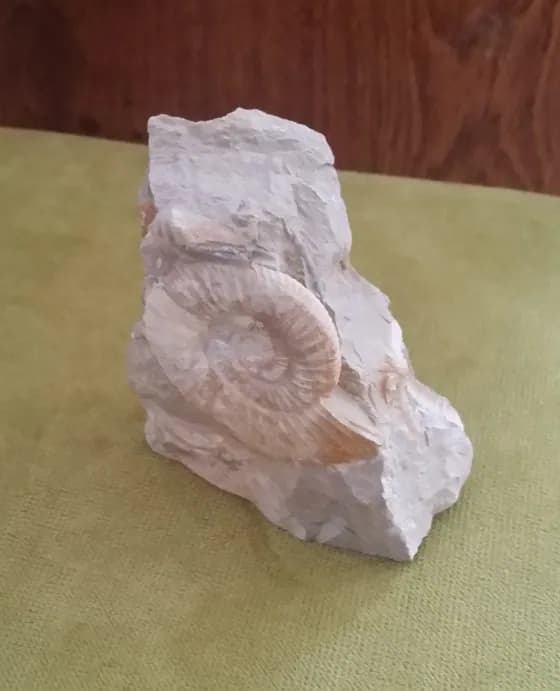 🔍
🔍A preserved ammonite within the Jura Limestone deposit
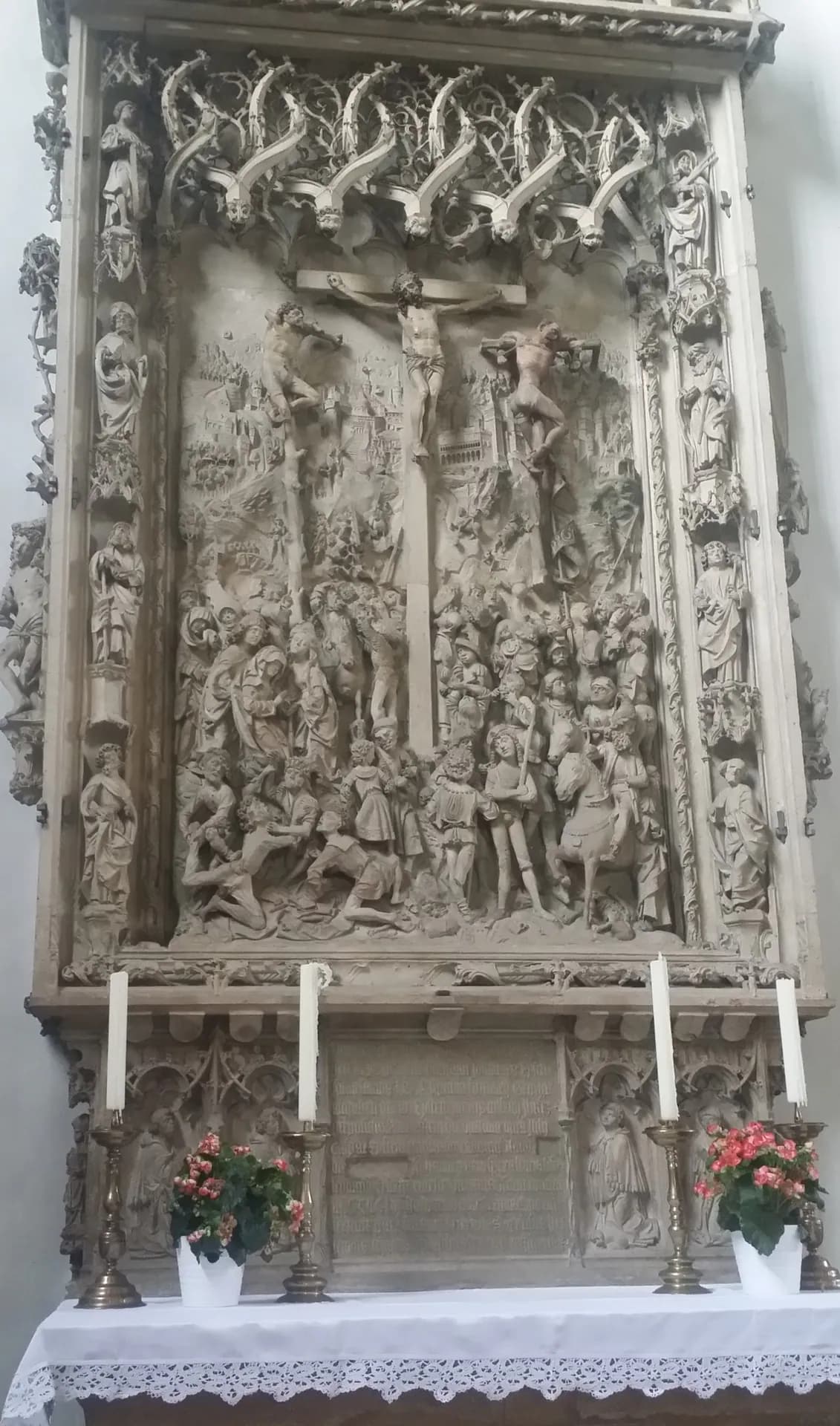 🔍
🔍A stone engraving by an unknown artist in Eichstätt Cathedral
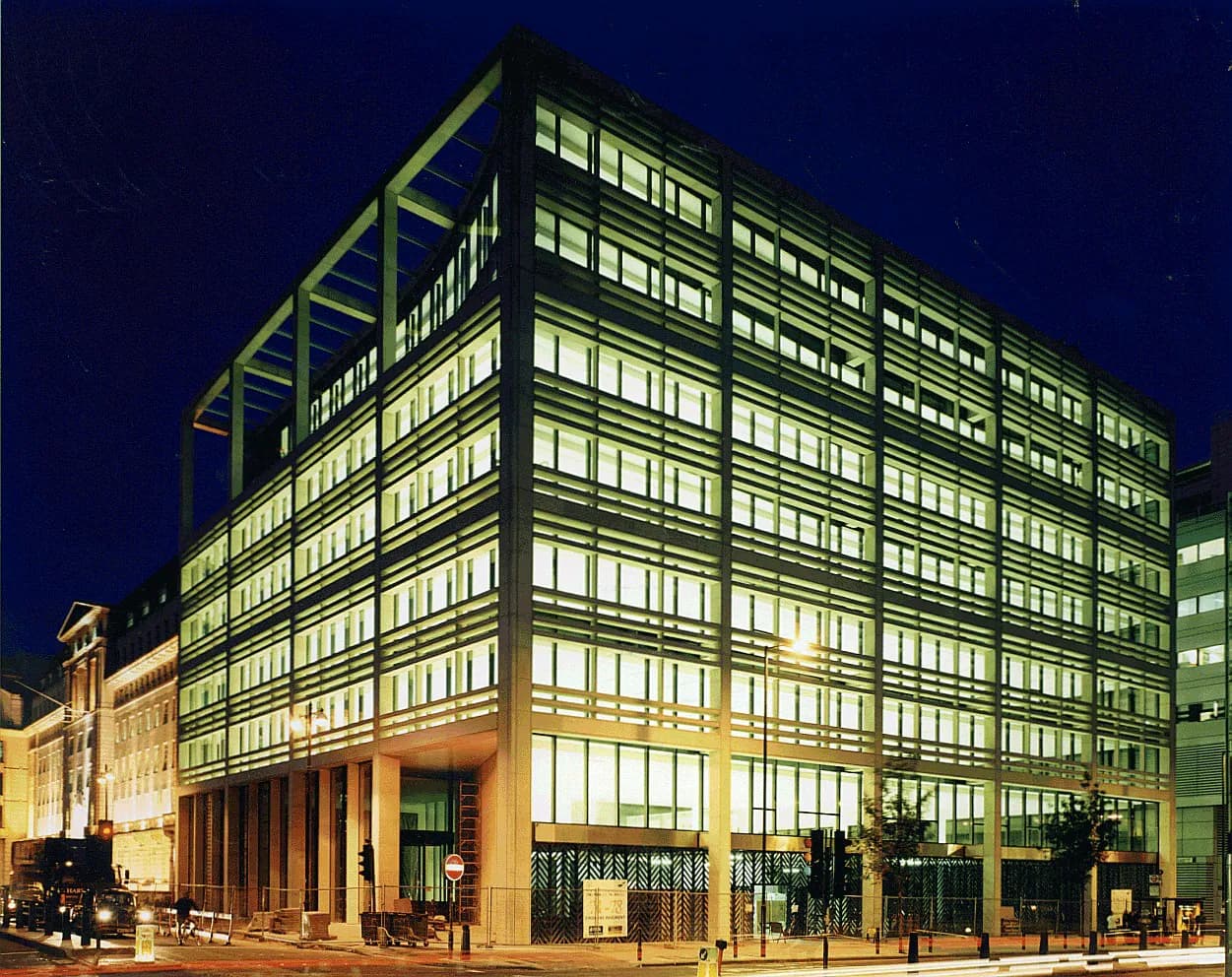 🔍
🔍Finsbury Square, England
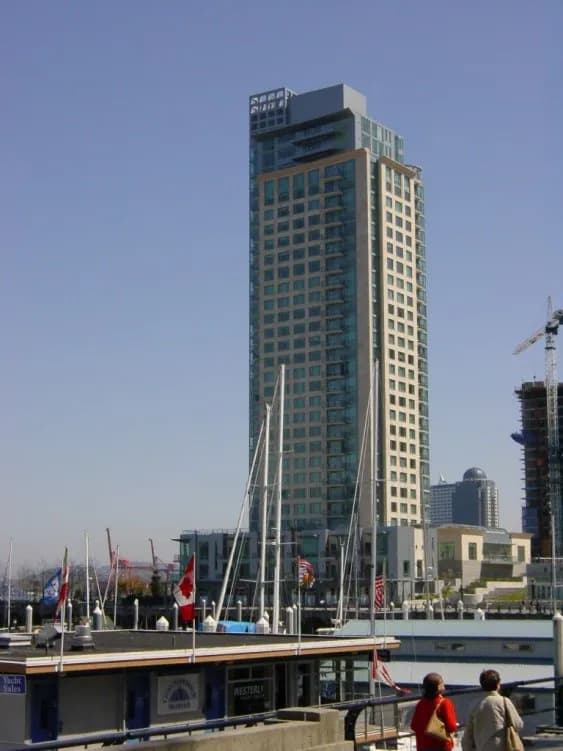 🔍
🔍Escala 232, Canada
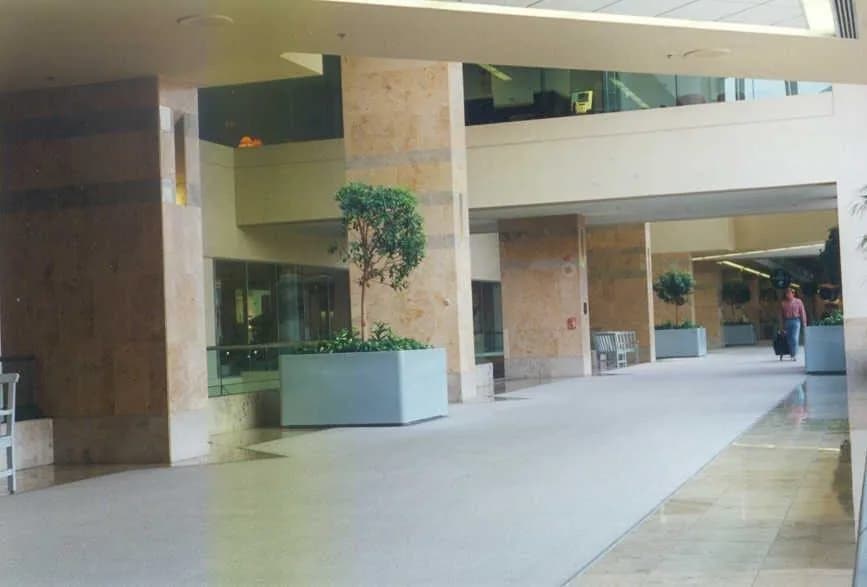 🔍
🔍John Wayne Airport, USA
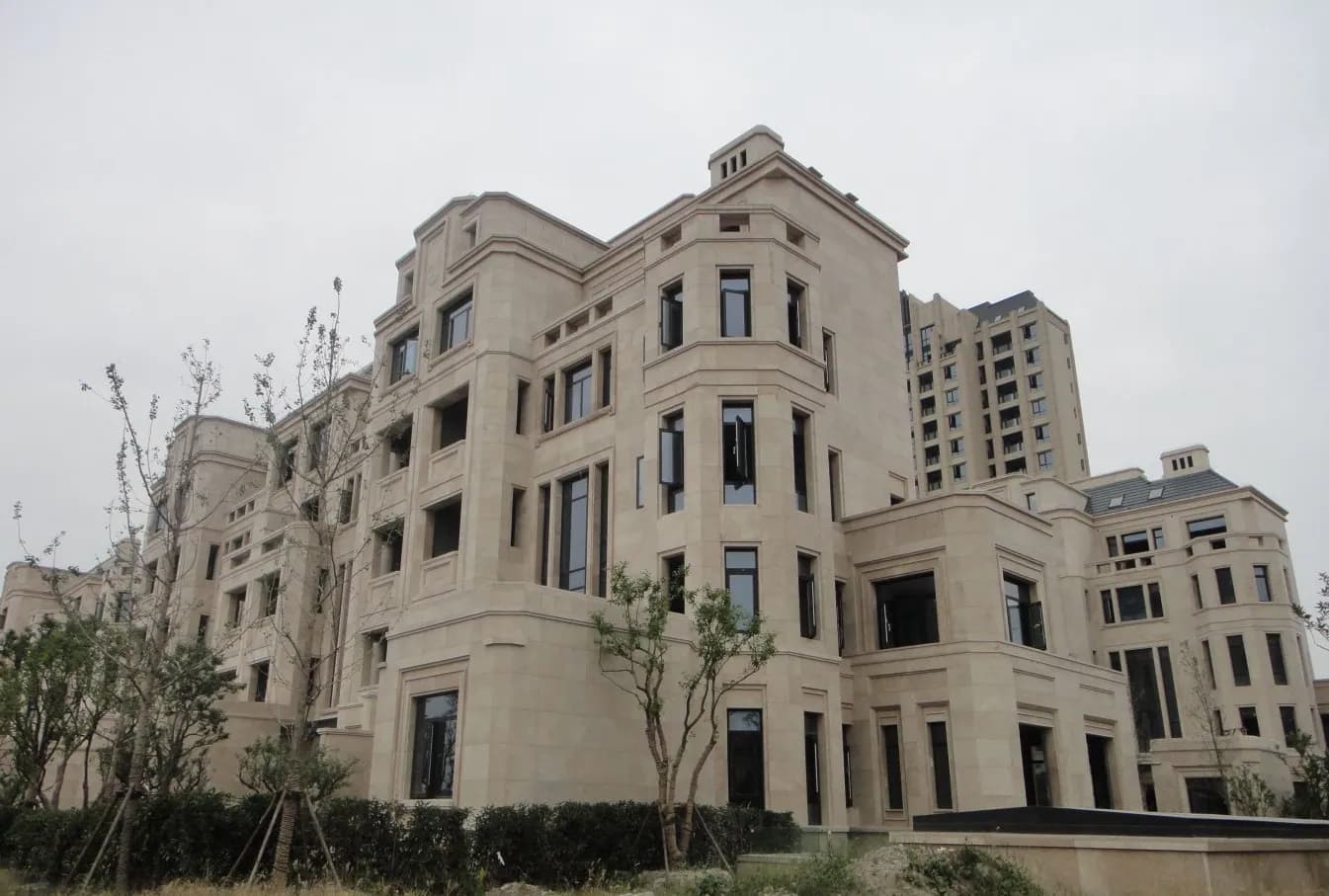 🔍
🔍A Jura Limestone building in China
In Russia, particularly Moscow and St Petersburg, Jura Limestone has been used not only on private villas but across entire urban quarters. Moscow's Golden Mile—including Ostozhenka Street and Butikovsky, Khilkov, Korobeinikov, Zachatievsky, Pozharsky and Molochny lanes—is a prominent example.
Facade and plinth work has now been completed at the premium Mirozdanie residence in St Petersburg.
🔍Mirozdanie residential complex, St Petersburg
Construction is also under way at Balchug Viewpoint on Sadovnicheskaya Embankment, where Jura stone forms the principal facade.
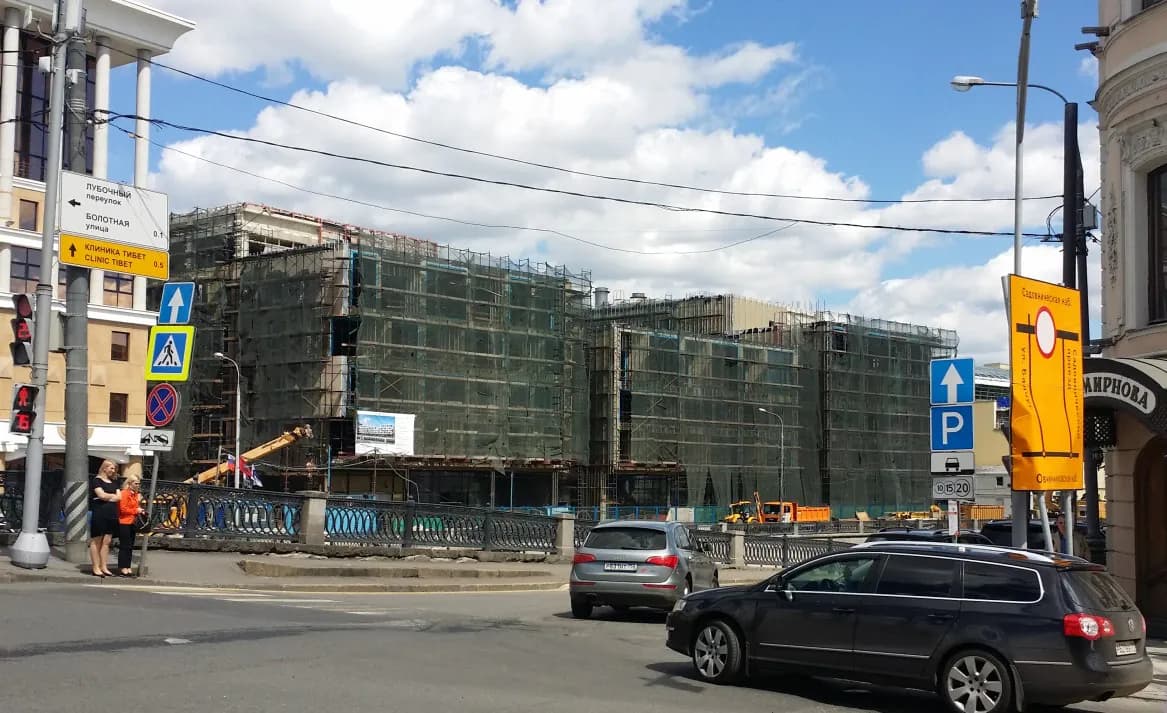 🔍
🔍Balchug Viewpoint, Sadovnicheskaya Embankment
Architects selecting Jura Limestone must remember that some parts of the layered deposit have low frost resistance. Advice should therefore come directly from the quarry owner. Certain layers also contain significant pyrite, which is highly likely to produce rust-coloured staining in the first years of facade service. Contracts should record the agreed quarry and material layer, approved with the architect and confirmed by the primary producer.