
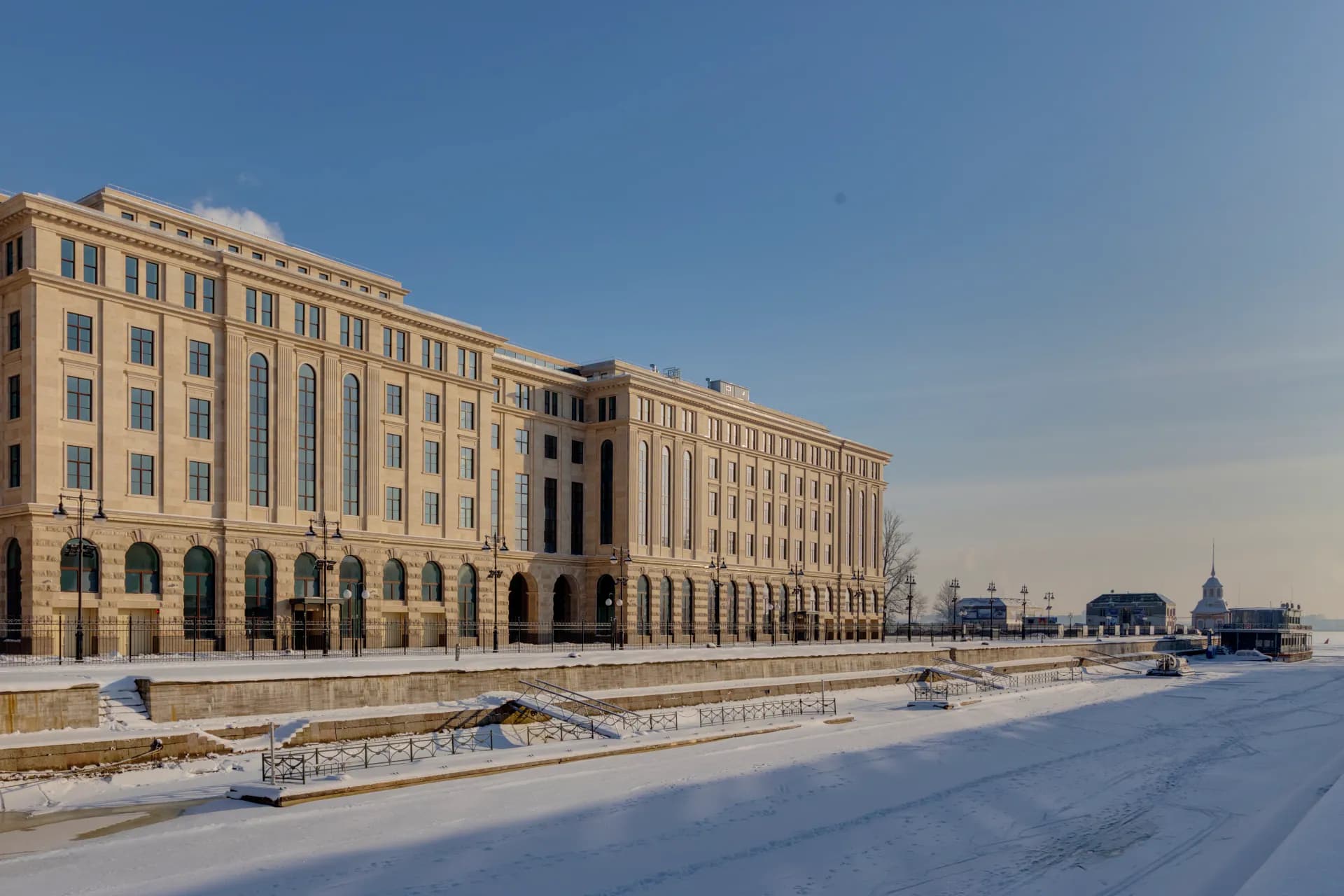
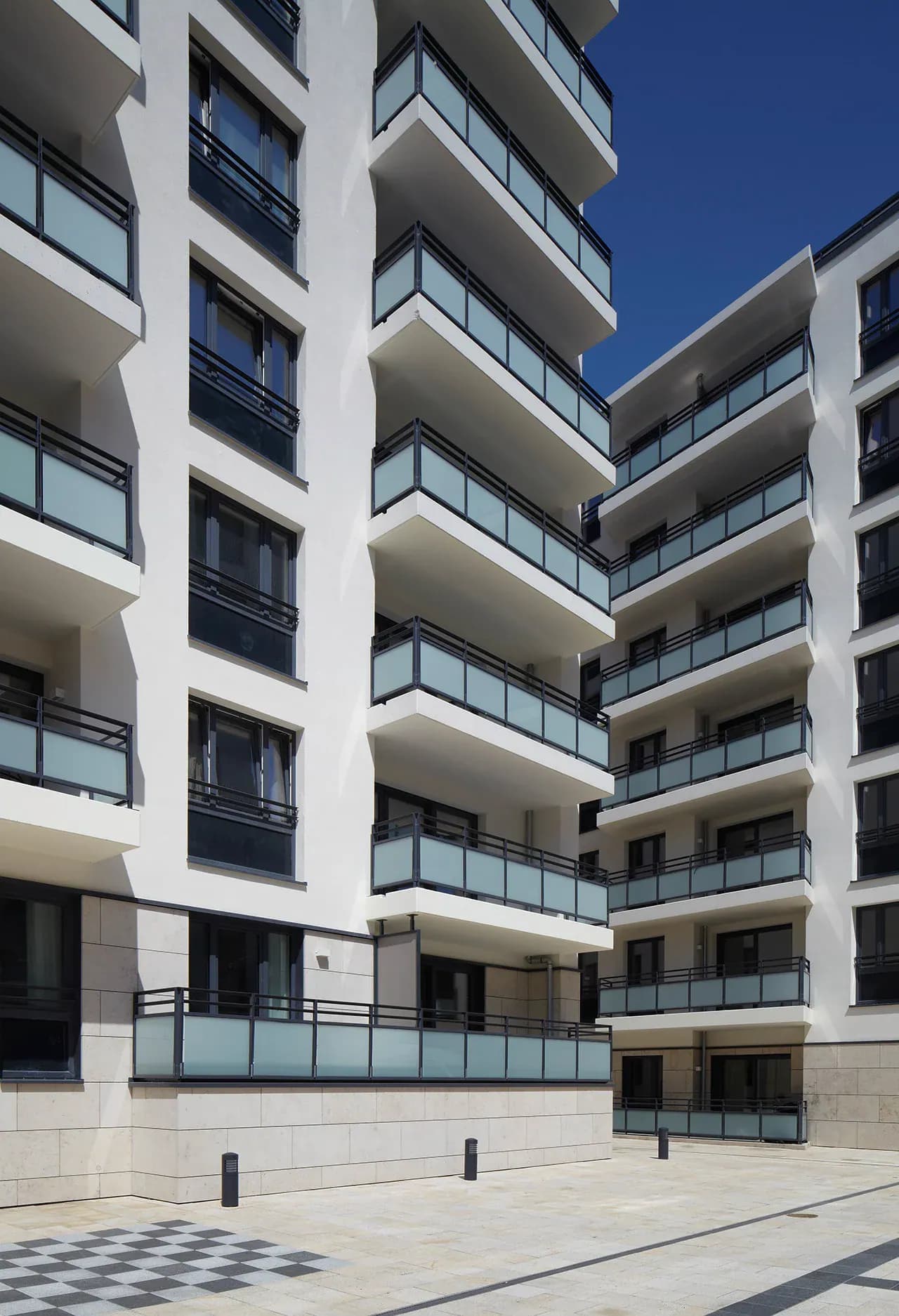
According to our observations, the facade stone market in the Russian Federation is characterized by great diversity. Since the early 2000s, a large number of foreign limestones have been imported into the Russian Federation, and it can be said that sufficient experience has already been accumulated in their use on the facades of public buildings. As proponents of Jurassic marmorized limestone, we believe that the first building with a facade made of Jurassic stone was the British Embassy on Smolenskaya Embankment in Moscow, which was put into operation in 2000. Later, club houses appeared on the Golden Mile of Moscow and in St. Petersburg. In the process of participating in projects, we have encountered limestones/dolomites from Portugal, Croatia, Serbia, Montenegro, Turkey, and Iran. Alongside foreign stones, stones from Dagestan and North Ossetia are very common. All these stones belong to the class of limestones and are widely used in the construction of private and public buildings.
 🔍
🔍Like any natural material, stone is most likely a non-homogeneous structure, products from which cannot be mass-produced. There is no pre-existing artificial technology for creating natural stone according to a specific recipe, as is the case with architectural concrete or plaster. Jurassic marble, for example, is a product of preliminary selection of the extraction site, selection of quality blocks, and further processing into slabs. At each stage, there is a human factor that sorts (separates) defects from suitable material. This occurs not only according to the requirements for physical and mechanical properties but also taking into account the selection dictated by the adopted architectural concept.
 🔍
🔍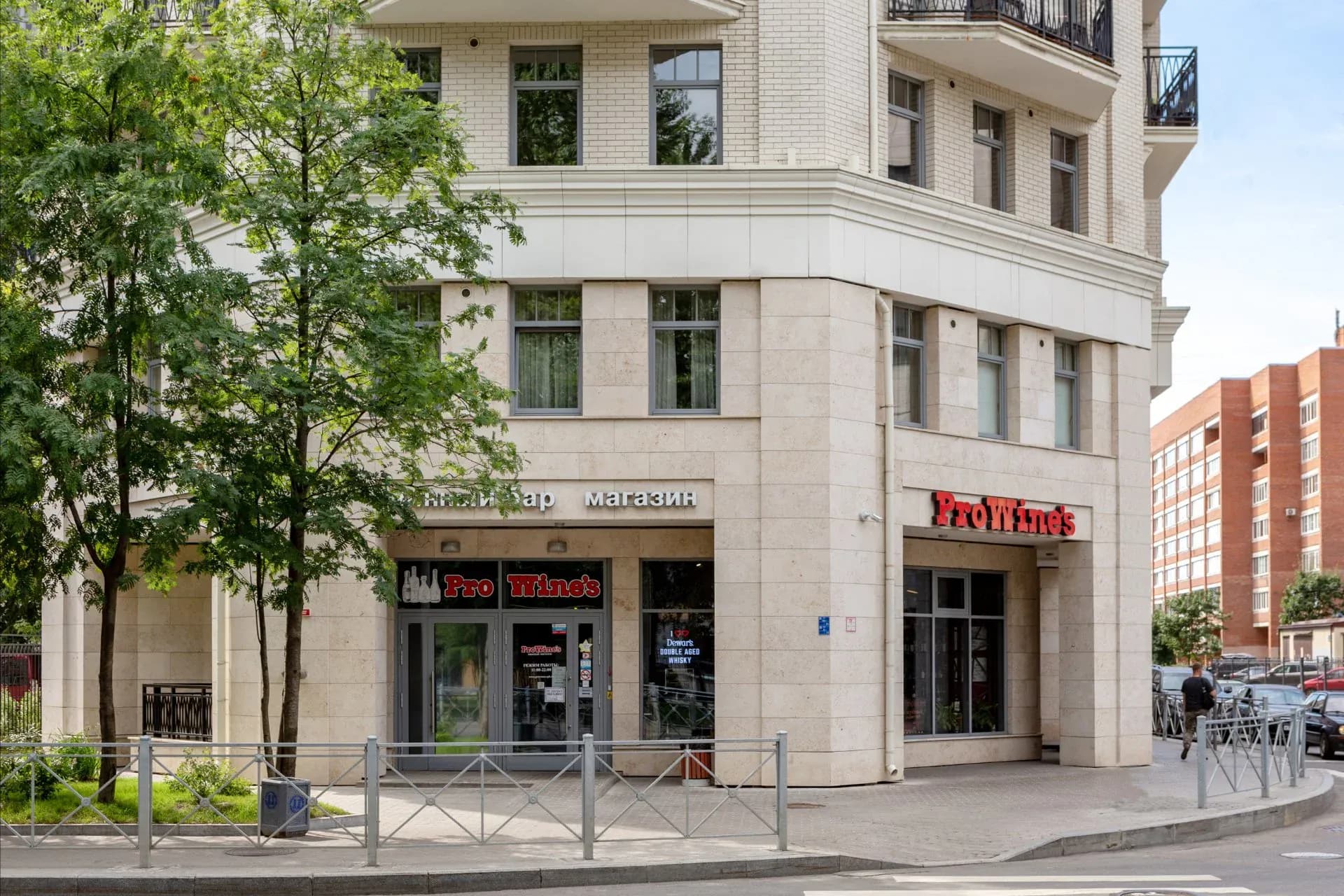 🔍
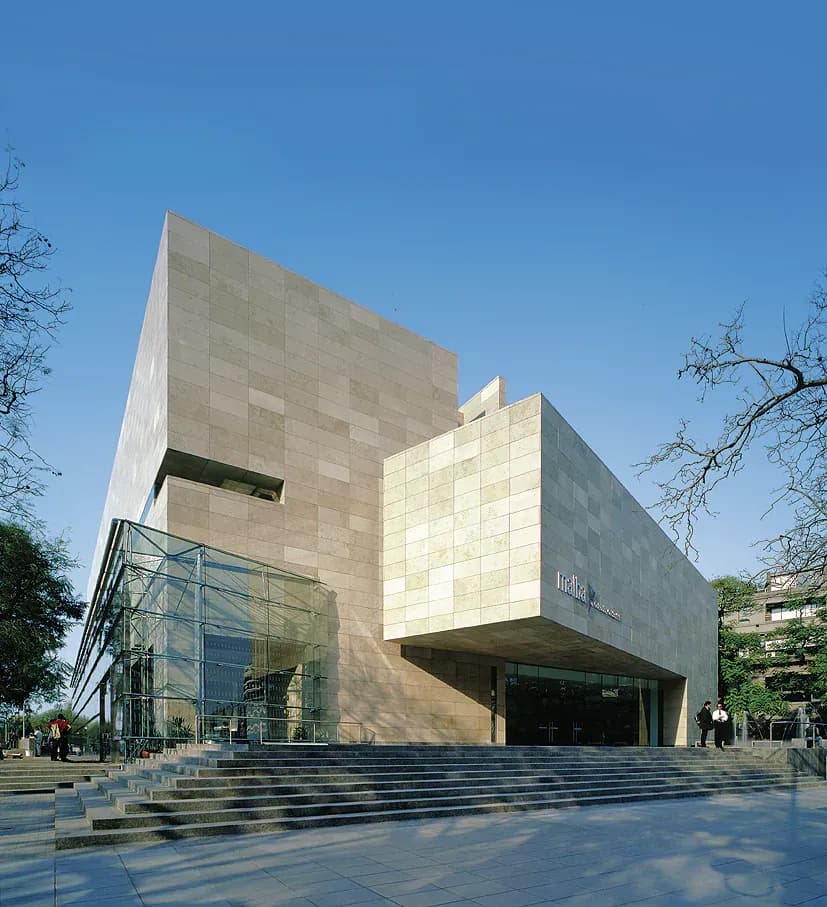
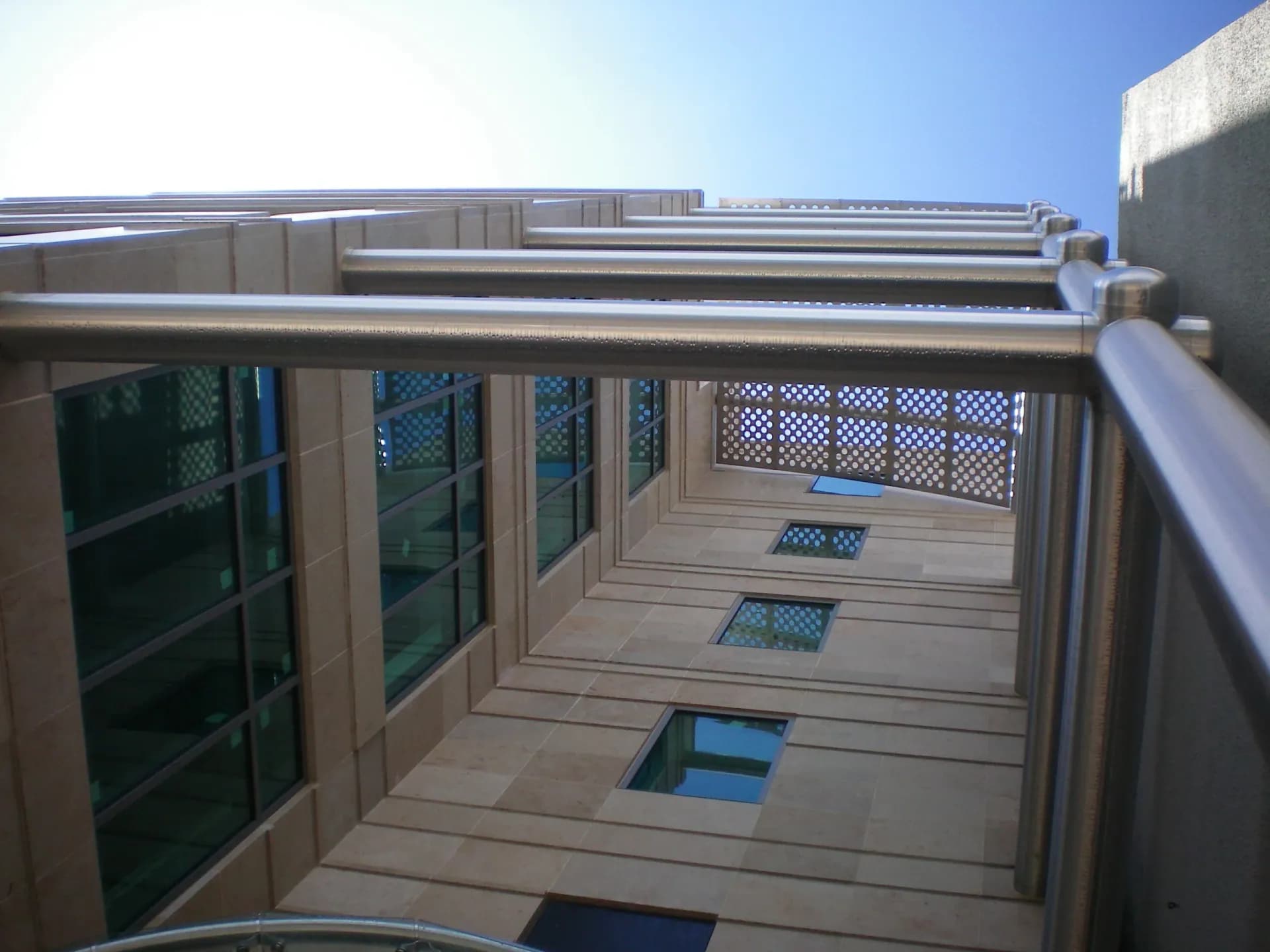
🔍As can be seen from the above photographs, the use of Jurassic stone on the facade of the Museum of Latin American Art in Buenos Aires in the first case demonstrates almost the full color range of Jura Beige honed. The other photograph, on the contrary, shows Jurassic marble of the Jura Rahmweiss brushed series, which has a light coffee shade with a lot of milk.
However, in addition to visually fitting within the framework of the architectural concept, it is probably no less important that the physical and technical characteristics of the stone correspond to the operating conditions determined by the external environment surrounding the building. There is a certain relationship between such characteristics of limestones as ultimate compressive strength, water absorption, and porosity of the stone and its average density. Also, having the average density or porosity of limestone, one can obtain a forecast of the probable range of its physical and mechanical indicators.
 🔍
🔍 🔍
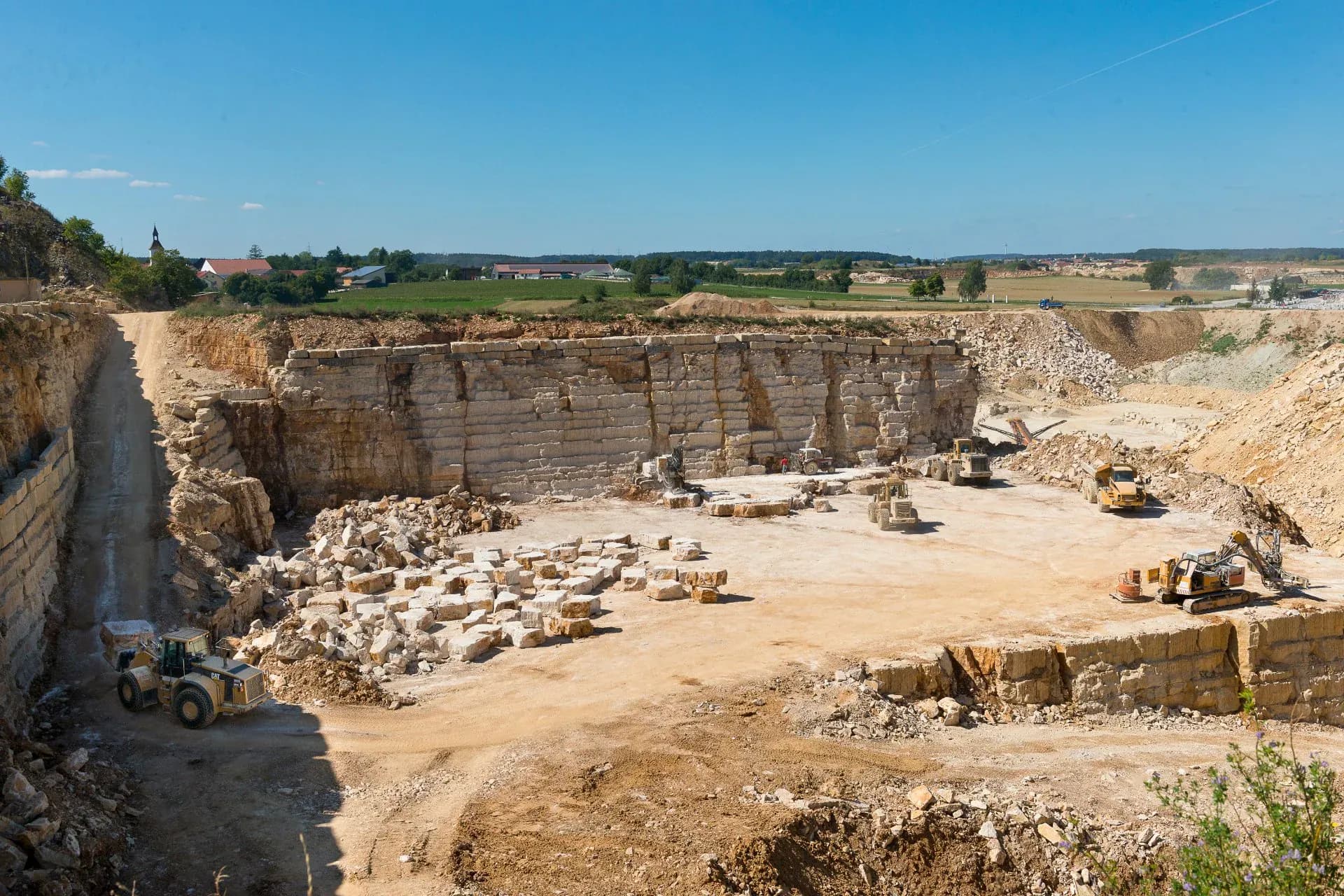
🔍Of all the carbonate rock deposits on the planet, it is believed that only about 3% can be developed for facing stone according to the combination of quality and decorative properties. Limestones are divided into porous, dense, and marmorized. The ranges of porosity and, accordingly, density vary even within the same quarry. For example, in Jurassic marmorized limestone, there are on average 25 to 28 extraction layers. There are also zones of weathering and local destruction where extraction is impossible due to poor quality of the raw material.
 🔍
🔍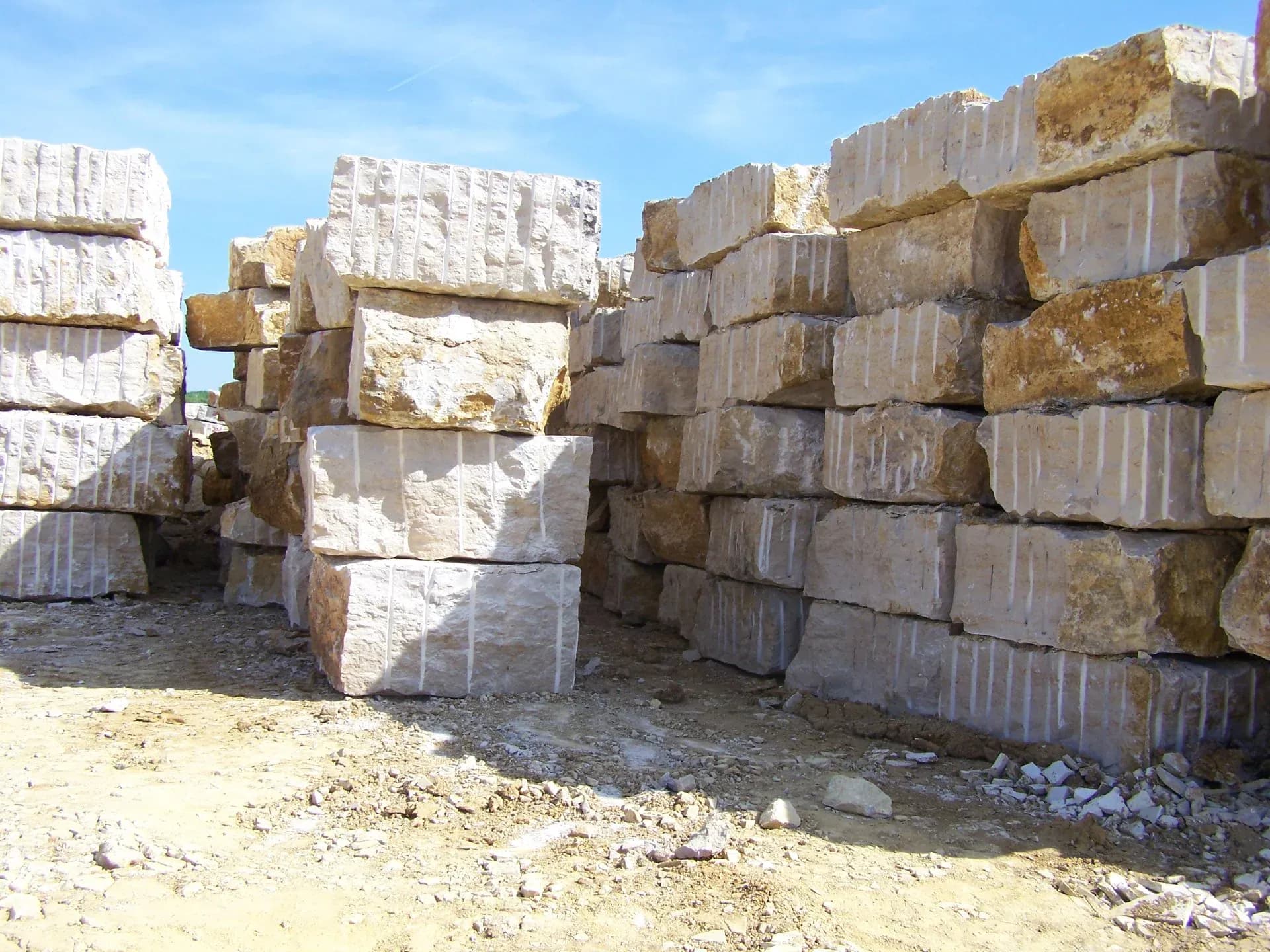 🔍
🔍As can be seen from the first photo, some segments of the extraction are cut by cracks and have a loose structure. The blocks required for production must have a visually intact structure without visible fractures.
Limestones are sedimentary rocks that consist of: organic sediments from dead animal and plant deposits; mechanical sediments from shell fragments and insoluble conglomerates; and chemical deposition of carbonates from solution. In the next article, we will continue the descriptive excursion into the fascinating world of limestones.
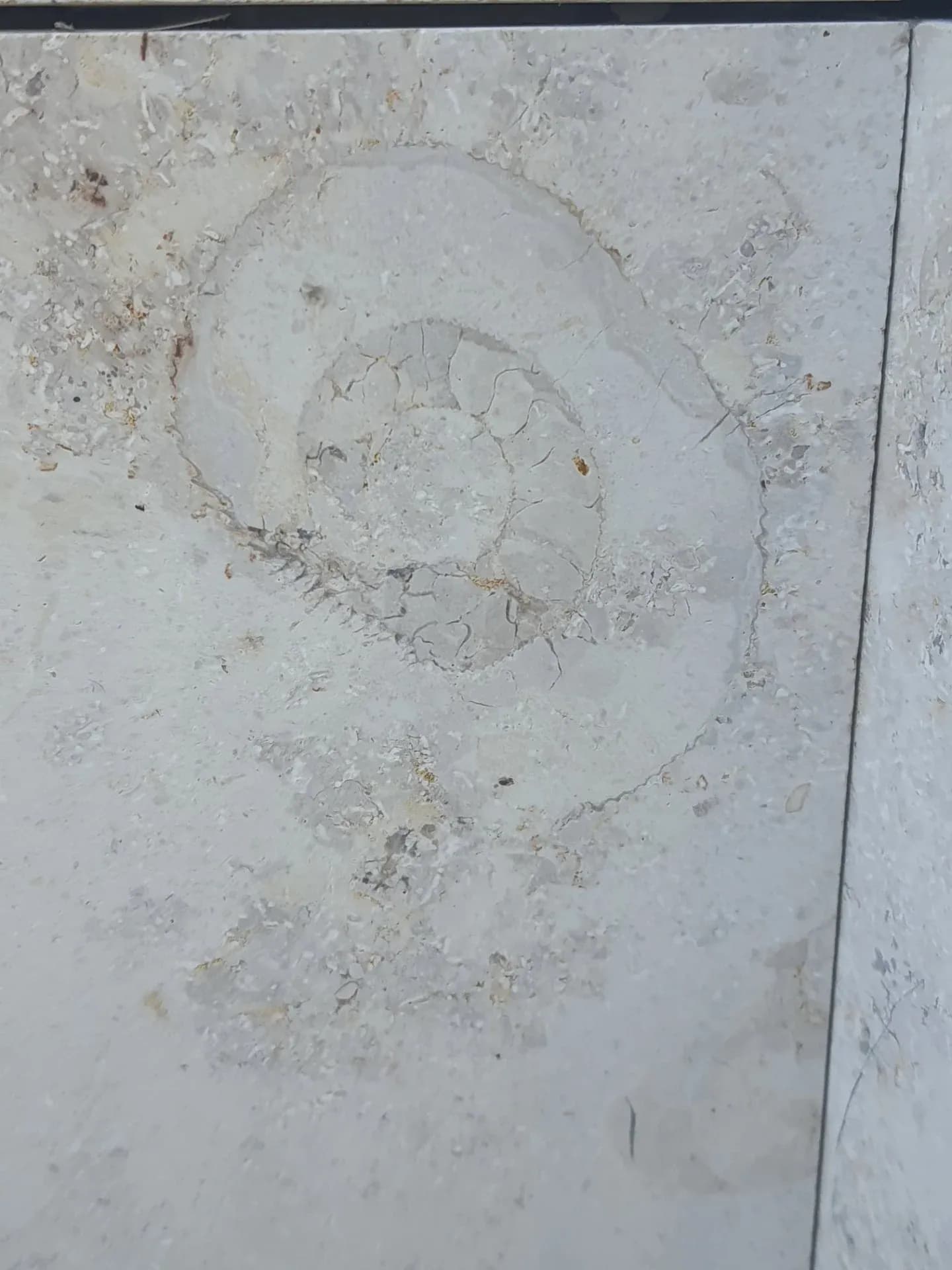 🔍
🔍