
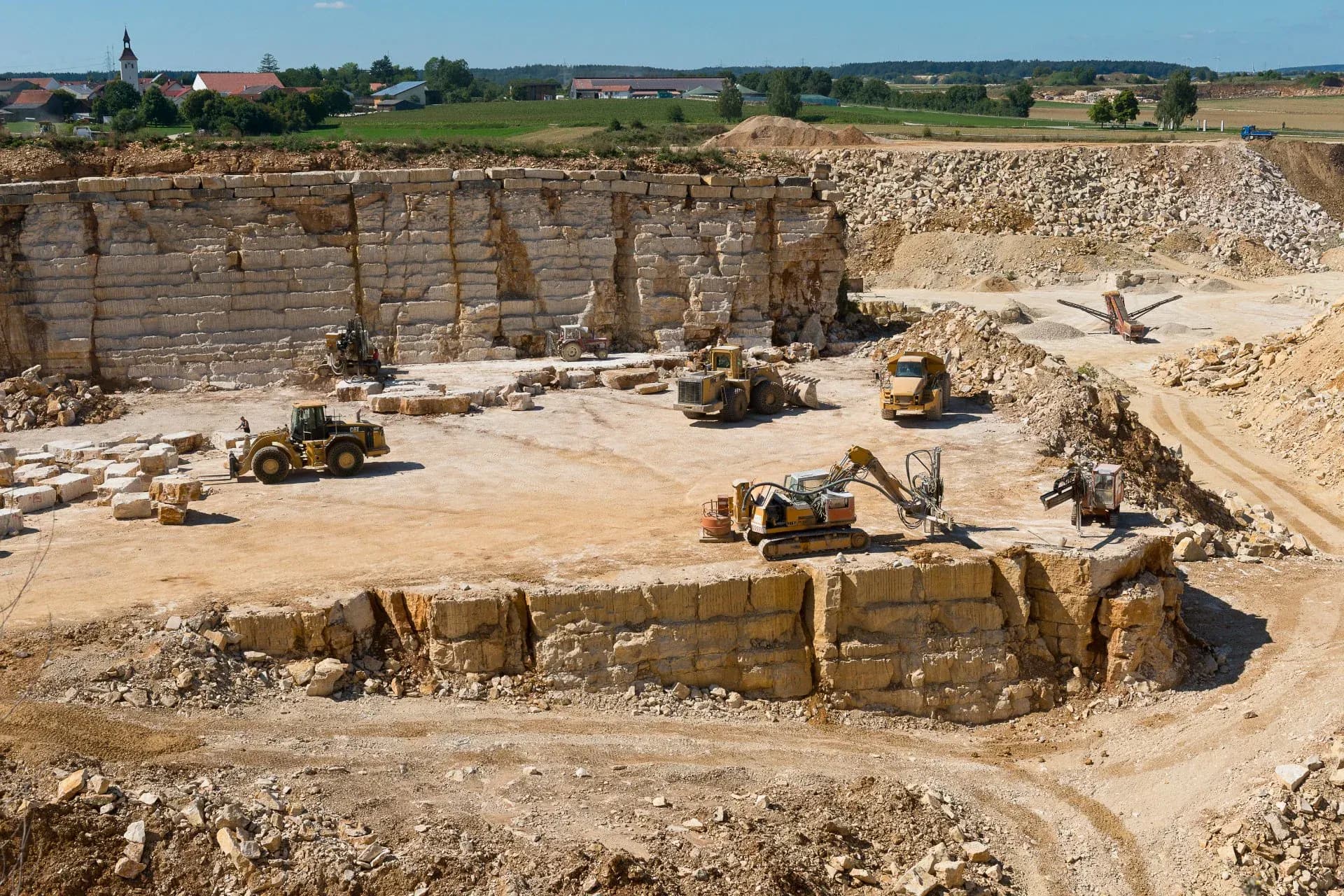
As we already said in the first part of the article, only a small sample of limestone deposits can grow into a full-fledged quarry, where the combination of qualitative and decorative properties of limestone meets market needs and competitive requirements. The next aspect says that even within a single quarry, the characteristics of limestone can vary by 200 - 300 % from each other. This should be taken into account when choosing material for building facade cladding. The basic characteristics of limestones are: density, compressive strength under uniaxial compression, reduction of strength upon water saturation, porosity, water absorption, and frost resistance. We believe that under the operating conditions of our country, frost resistance comes to the forefront, which is tested in laboratory conditions and provides a general forecast of the durability of the selected stone when used on a ventilated facade of a building.
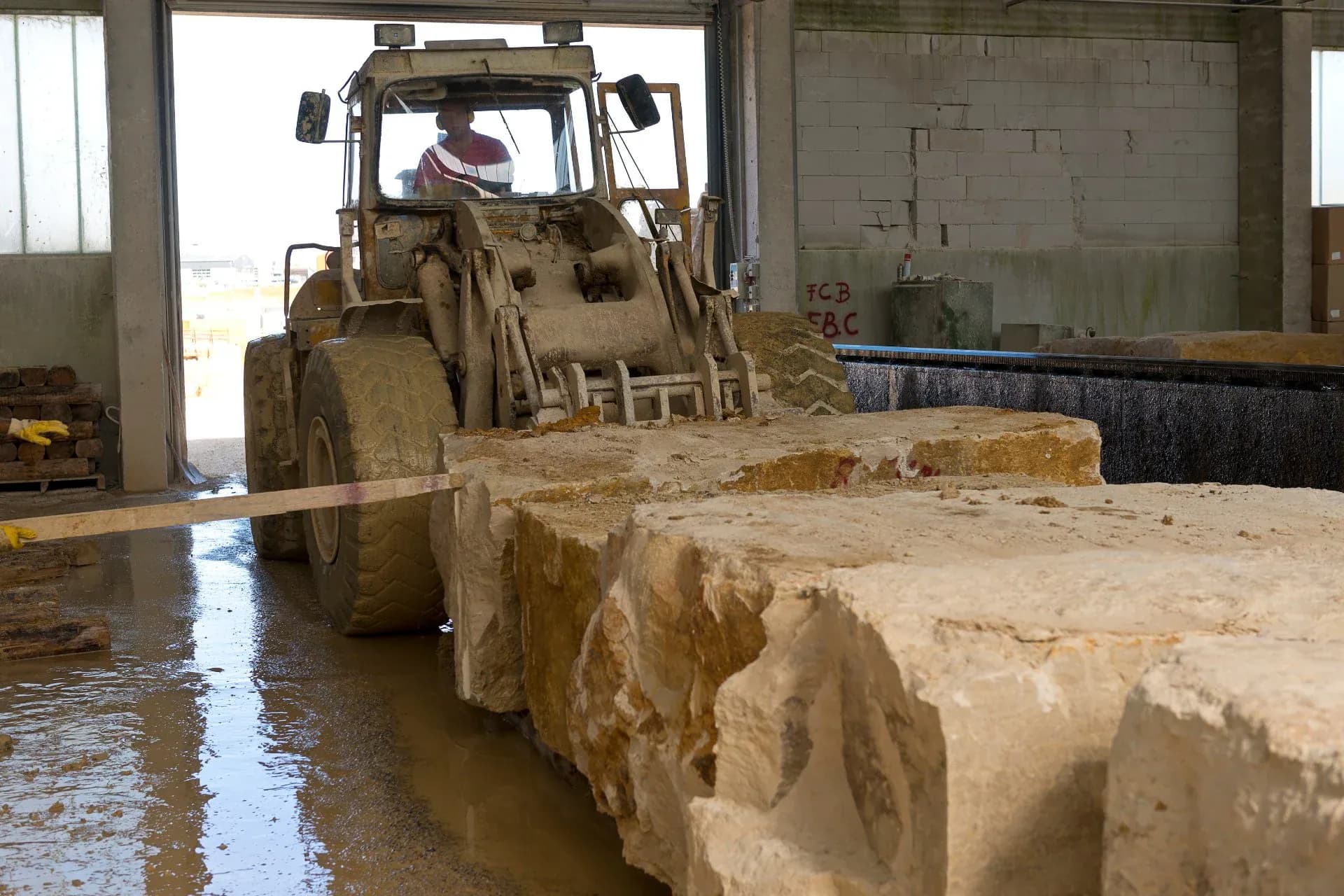 🔍
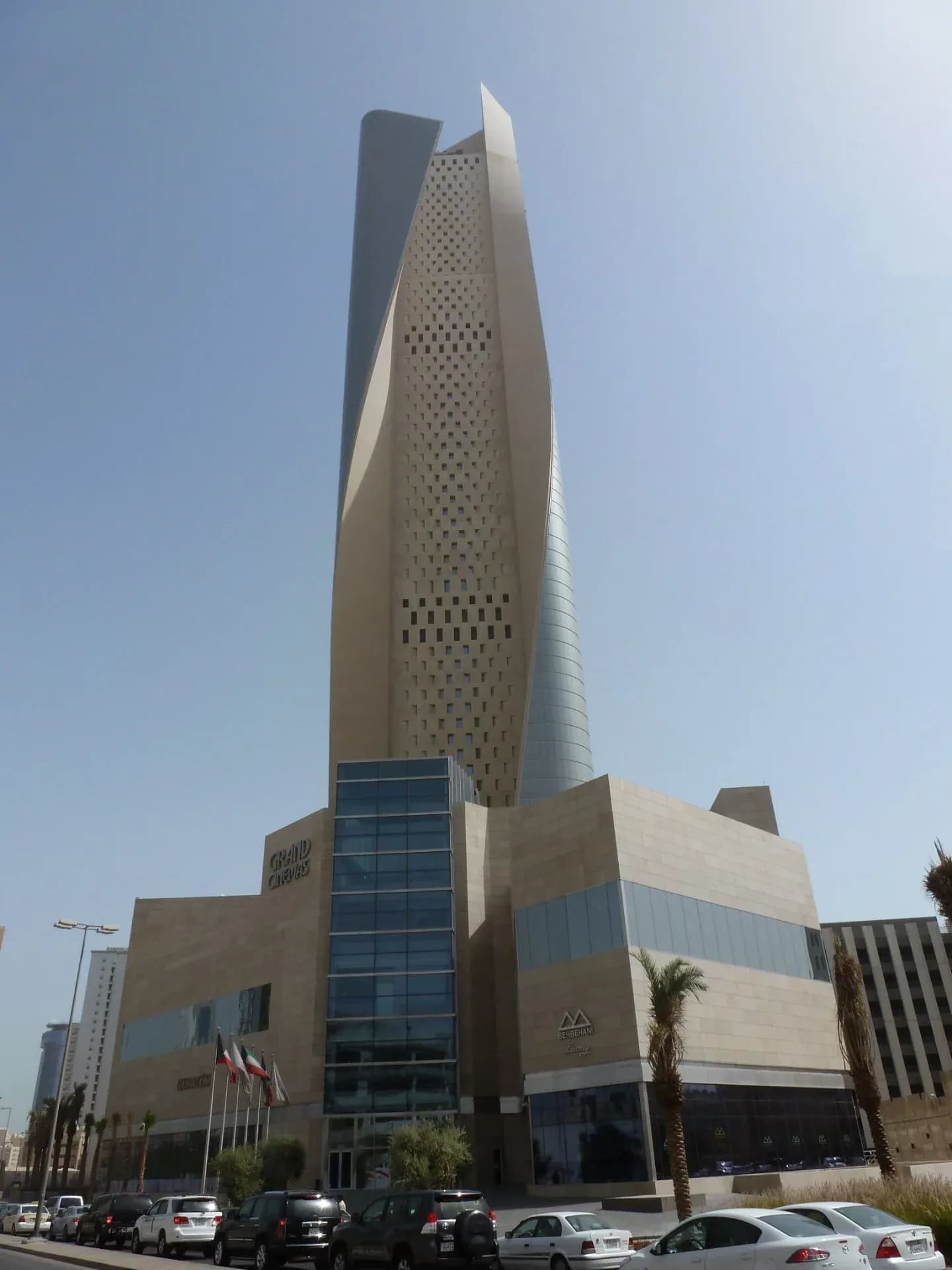
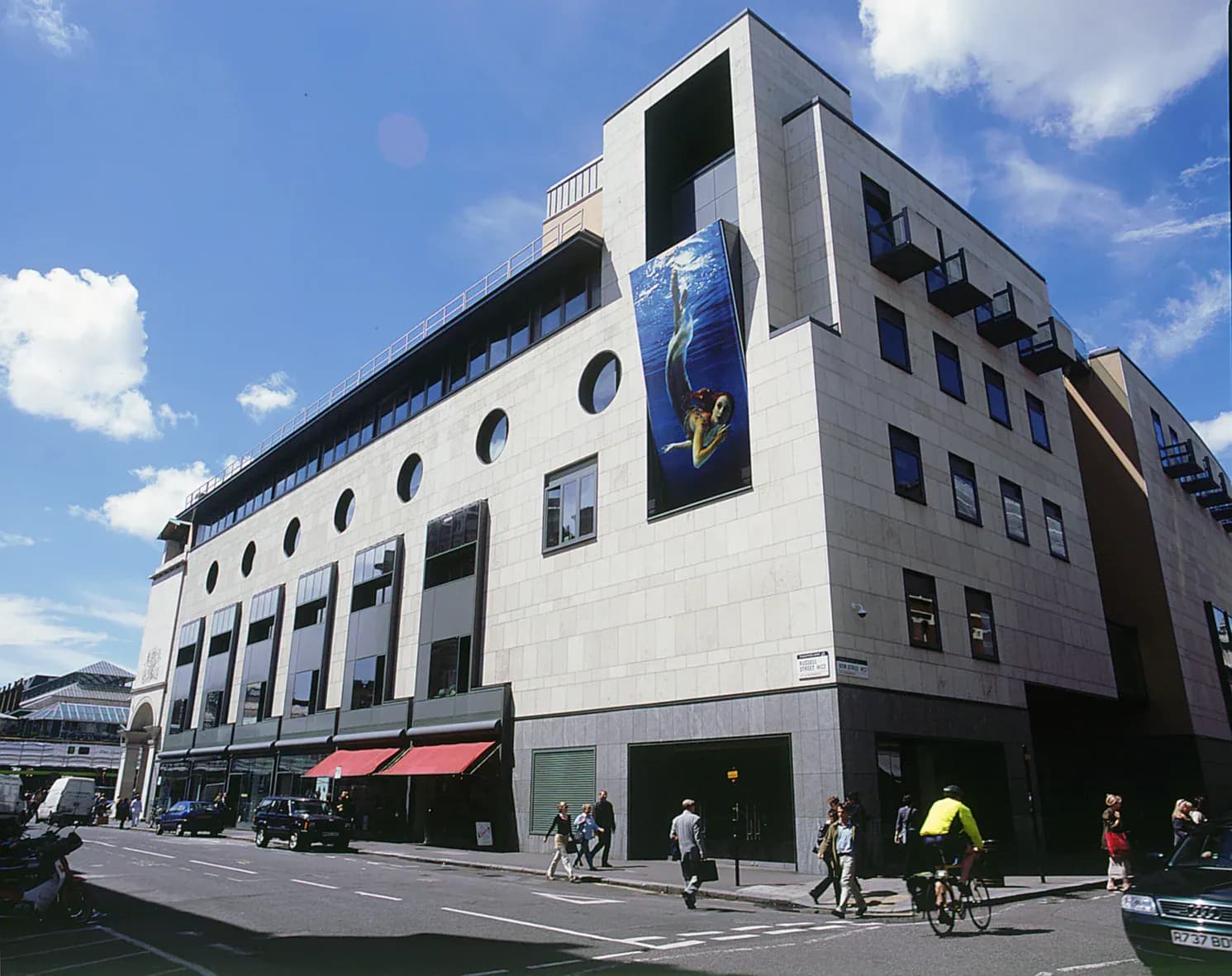
🔍Also, it is necessary to take into account an additional aspect of the range of properties of the reference and supplied products. What is meant here? Reference samples almost always meet the requirements. In our country, this is 150 cycles of frost resistance in key climatic regions and 100 cycles in secondary ones under the operating conditions of hinged ventilated facades. Let us immediately note that being on the facade, the stone is not the only element affecting durability. As a rule, the entire system of stone, substructure, fastenings to the base, fastenings of the stone to the substructure, etc. collectively determines the durability of the facade. It must be no less than the entire designed service life of the building. In the luxury real estate segment, it is still not a fake made of illiquid assets with a short service history, but a reliable stone material with a good margin in all characteristics.
 🔍
🔍 🔍
🔍